A cuffed pant is a trouser finished with a horizontal fold of fabric turned up at the hem instead of a plain, single-layer edge. The cuff adds visible weight and structure to the leg opening, and it is a detail you choose deliberately rather than one every pair of pants arrives with. This guide covers where the cuff comes from, the widths and pant types it suits, and how to get the fit right so it actually improves the way your trousers hang.
What a Cuffed Pant Is
A cuffed pant, sometimes called a turn-up in British tailoring, is made by folding the hem fabric back on itself and stitching it in place so a second layer of cloth wraps the ankle. That extra layer adds a small amount of weight to the leg opening, which helps a fuller-cut trouser hang straighter and keeps the crease from swinging as you walk.
The cuff has been a tailoring staple since the early twentieth century, when it started as a practical fix: men would turn up muddy trouser hems on wet days and eventually asked tailors to sew the fold in permanently. It carried into formal and business dress through the 1920s and 1930s and has stayed a standard option on dress trousers, suit pants, and chinos ever since.
A cuff is not the same as a hem. A plain hem is a single fold pressed flat against the inside of the leg, invisible from the outside. A cuff is a fold that shows on the outside of the pant, and it is a style decision most often made when the trousers are altered or made to order.
Cuffed vs. Plain-Hem: Key Variations
Once you decide on a cuff, the details that matter are width, which pants take it well, and how it is finished at the seam.
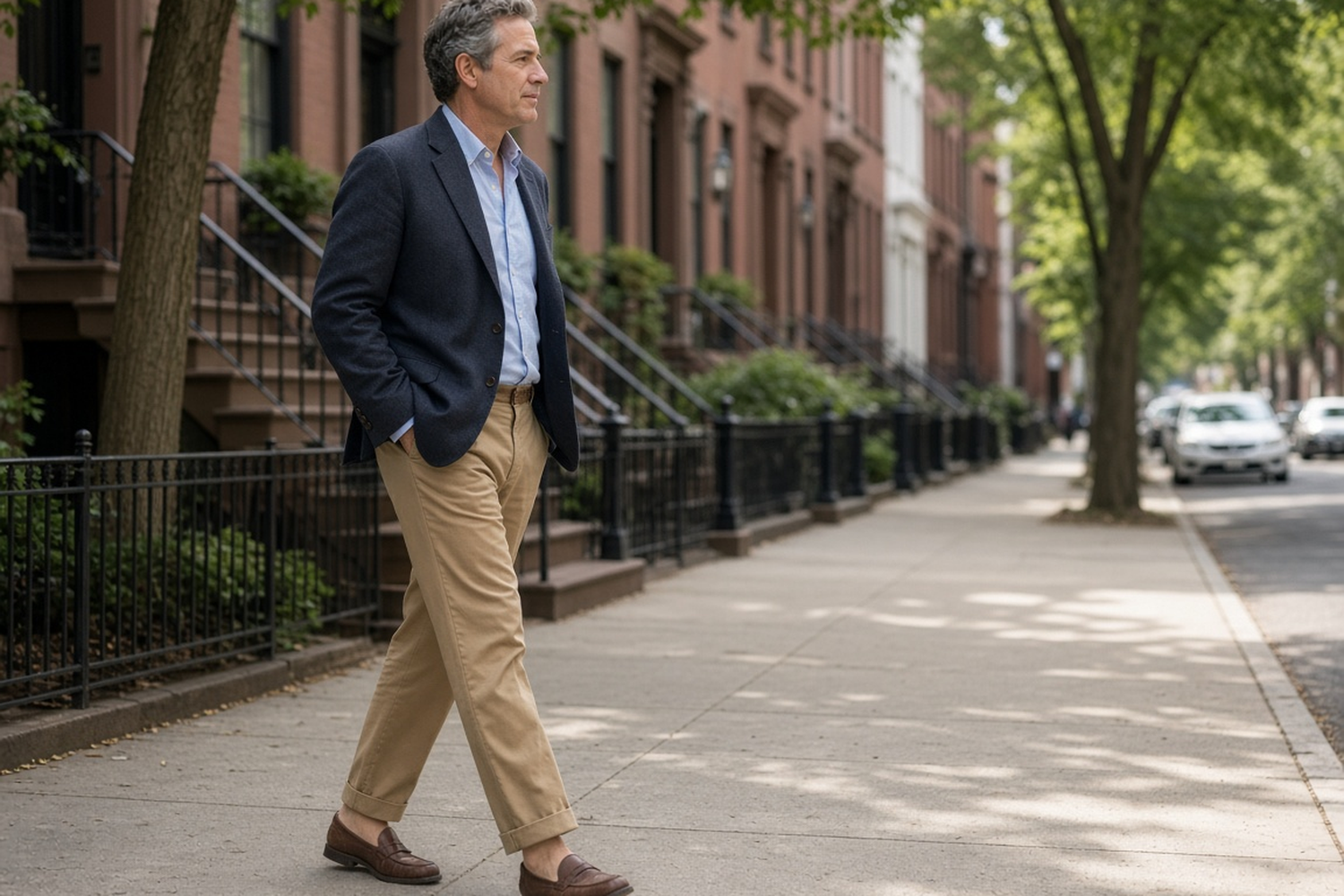
Cuff width
A standard cuff runs between one and one and three-quarter inches. Shorter men and slimmer trouser cuts generally look more proportional with a narrower cuff, closer to one and a quarter inches, while a fuller leg or a taller frame can carry the wider end of that range without looking bottom-heavy.
Which pants take a cuff well
Cuffs suit trousers with some drape to them: wool dress pants, tailored suit trousers, and cotton chinos all take a cuff cleanly. Very slim or tapered pants, and most casual joggers or athletic-cut trousers, tend to look out of proportion cuffed, since there is not enough width at the hem to support the fold.
Construction details
A well-made cuff is finished flat with no visible puckering at the side seams, and the fold should sit level all the way around the leg rather than dipping at the back. This is a detail a tailor checks by eye on a pressing table, not something that can be judged from a hanger.
How a Cuffed Pant Should Fit
The cuff does not change the fundamentals of trouser fit. It still needs to sit at your natural waist without gapping, follow the line of your leg without excess fabric, and land at the right length. What the cuff does change is how that length reads.
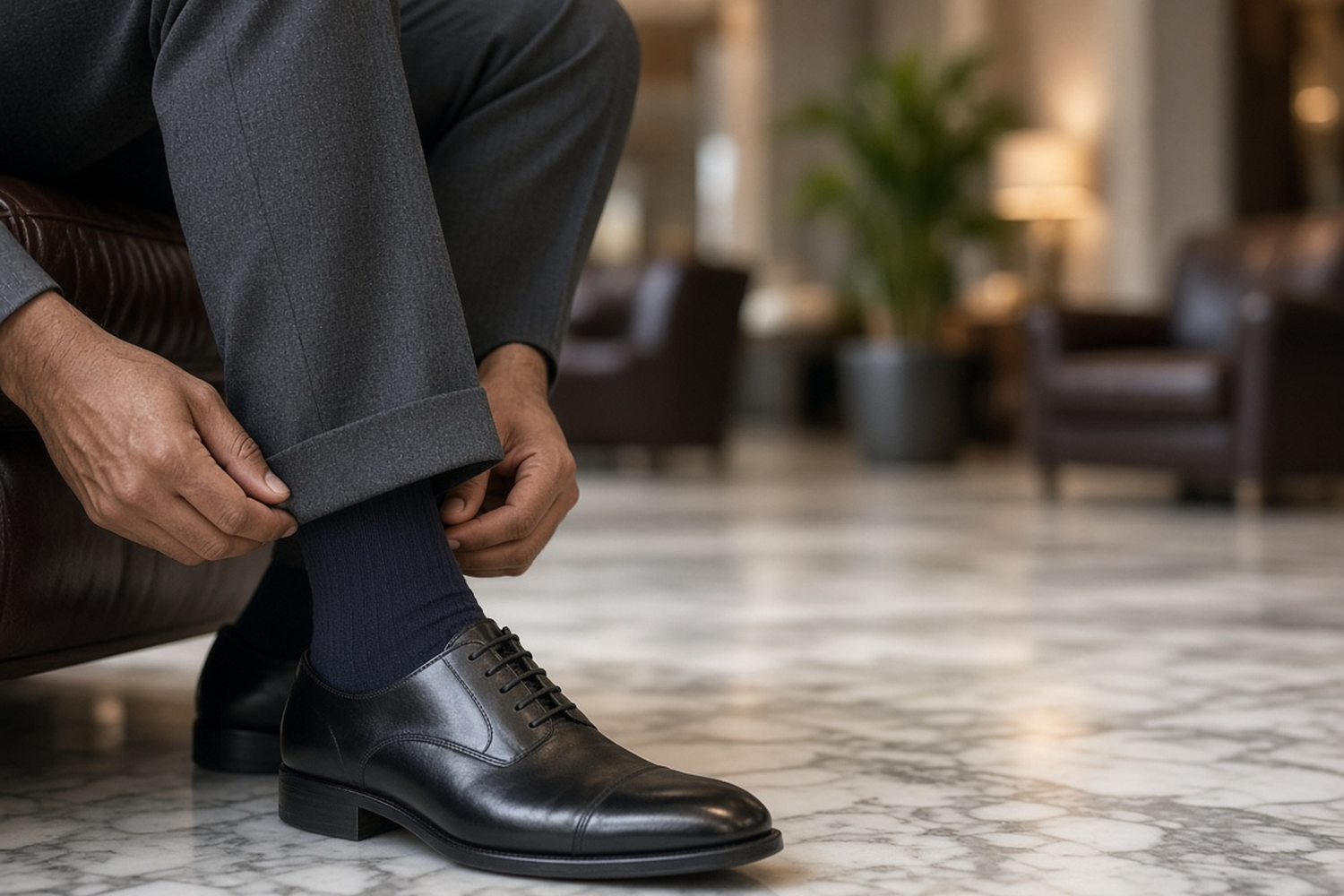
A cuffed hem is almost always finished with no break, meaning the pant leg meets the top of the shoe and stops, rather than folding forward. That clean line is part of why the style reads sharp. If your trousers have a visible break with a plain hem, a tailor will typically shorten the leg before adding the cuff so the proportions stay correct.
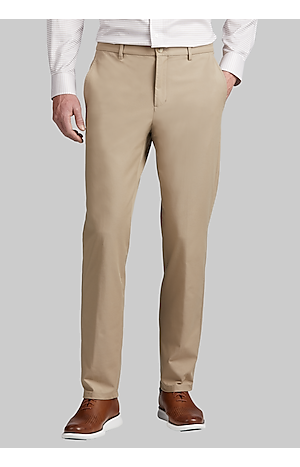
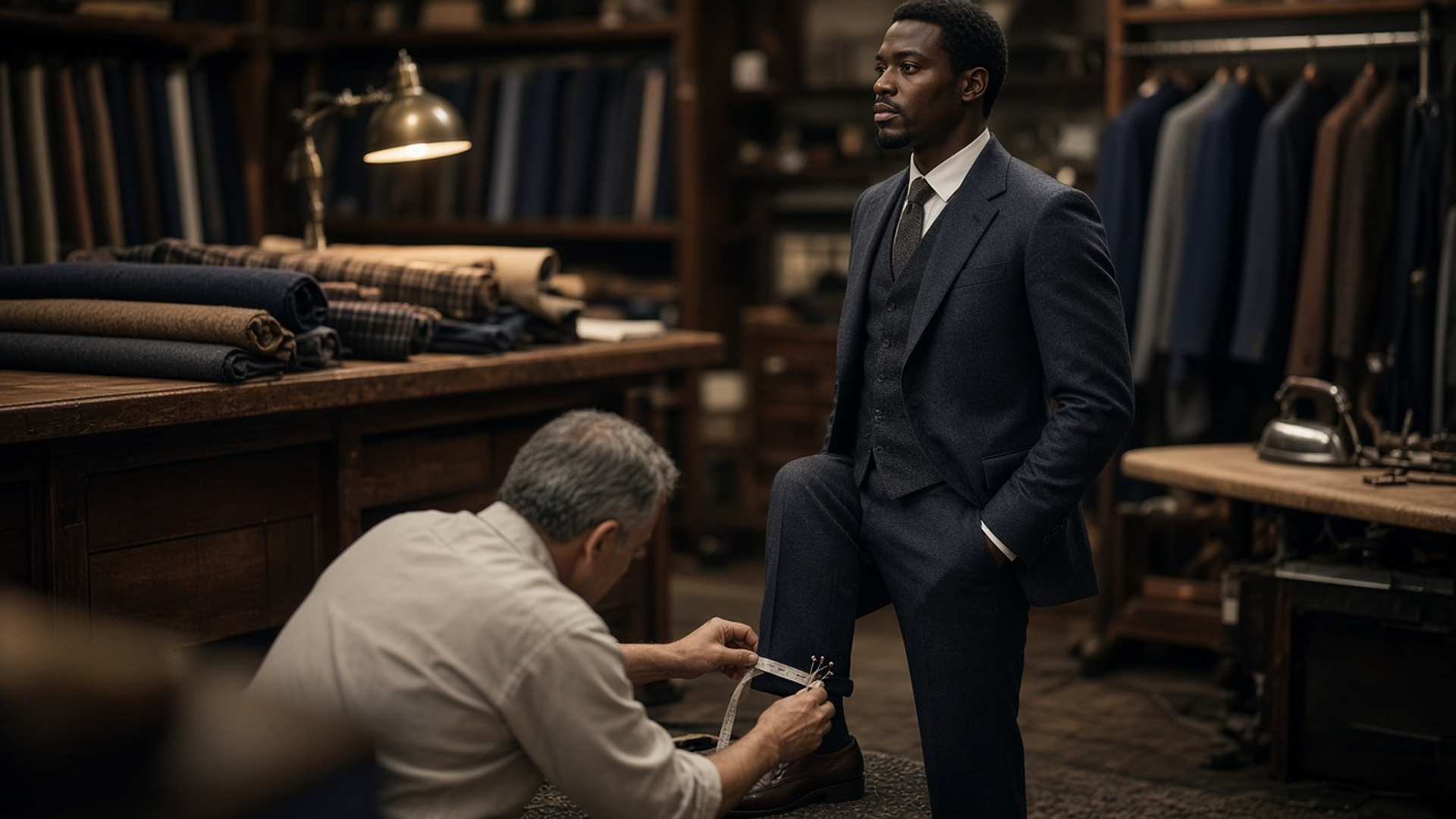
Ask for the cuff to be measured while you are standing in your usual shoes, not barefoot or in socks. Heel height and shoe shape both affect where the fold should sit, and a cuff measured wrong will either drag on the ground or ride too high above the shoe.
When to Wear Cuffed Pants
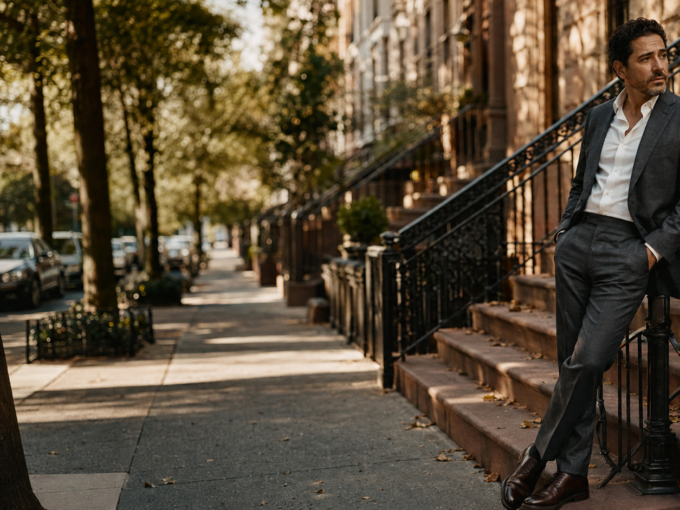
Cuffed trousers work anywhere a plain hem does, and in some settings they read slightly more polished. A cuffed wool trouser under a sport coat is a common choice for business and business-casual settings, since the added structure at the hem balances a jacket’s shoulder line. Cuffed chinos work well for smart-casual weekends, layered under a blazer or worn with a sweater.
The one place to be more careful is with very formal suiting. Some traditionalists reserve plain hems for tuxedo trousers and the most formal suits, while treating the cuff as a business and daytime detail. If you are working from our guide to styling a suit, a cuff is a safe, classic choice for anything short of black tie.
Cuffs are also worth considering with casual pants you dress up often, like the Traveler chino above, since the fold gives a cotton pant more of a tailored look without changing the fabric itself. If you are building out a rotation of everyday pants, our guide on how to wear chinos covers the styling side in more depth.
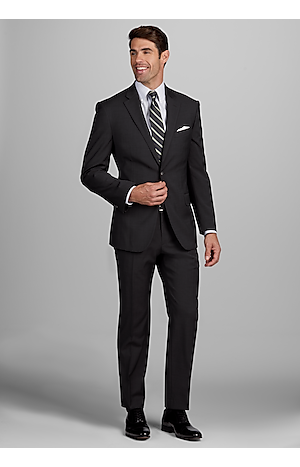
A cuff is a small detail with an outsized effect on how a pair of trousers reads. Get the width and the break right, and it is one of the easiest ways to make a familiar pair of pants look more considered.