Funeral attire is not a style decision, it is a way of showing respect without drawing attention to yourself. The standard is narrow for a reason: a dark, conservative suit says you understand the occasion and have made the effort, without asking anyone to notice what you are wearing. This guide covers that standard in detail, what to leave at home, cultural considerations worth checking ahead of time, and how to adjust the outfit for weather.
The Standard: A Dark, Conservative Suit
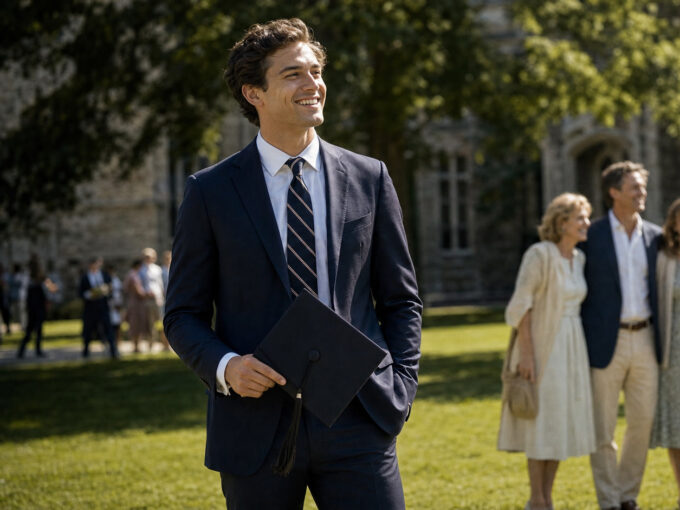
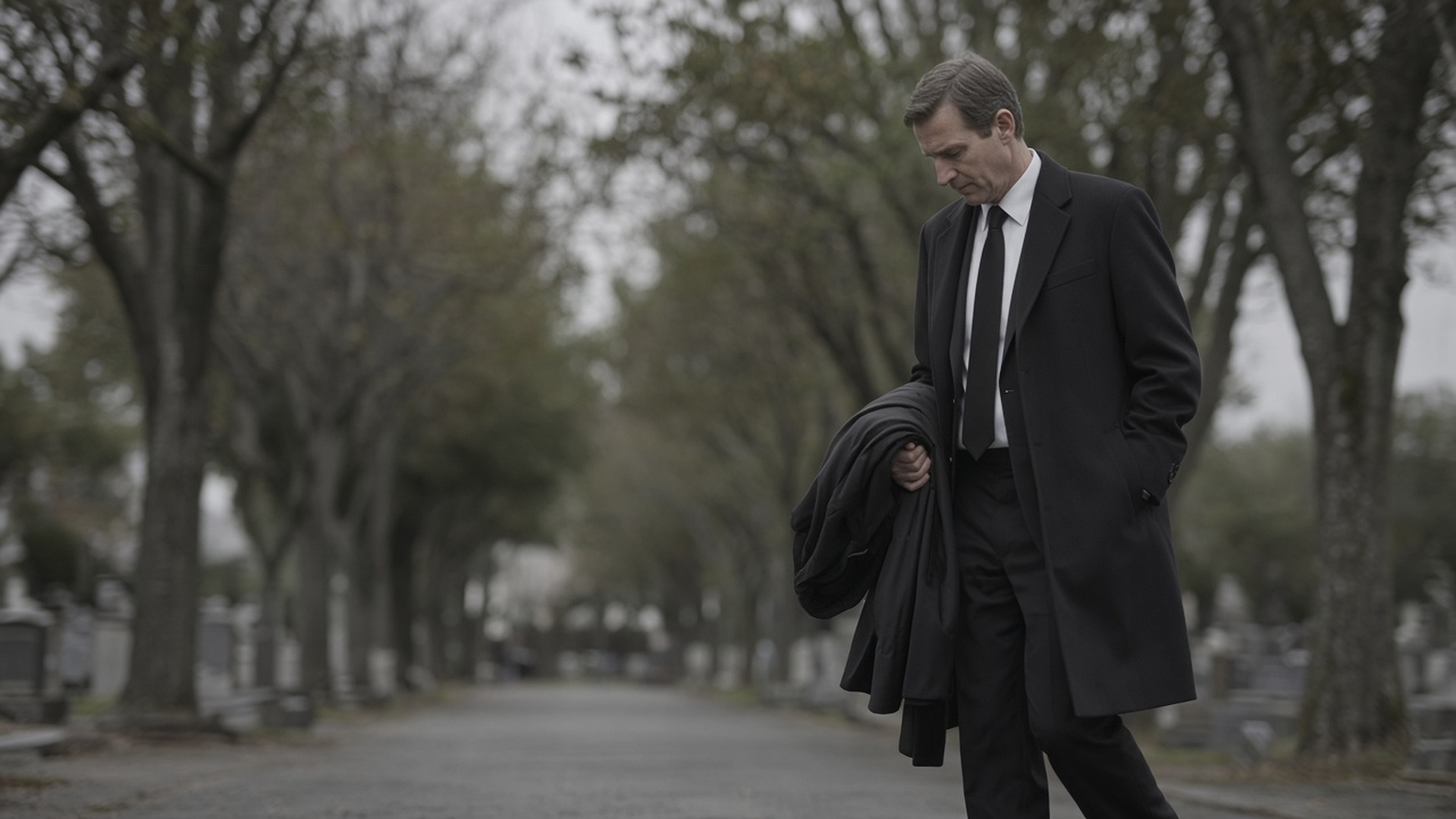
A black or charcoal suit, a white or pale dress shirt, a plain dark tie, and black leather shoes is the outfit that works at nearly every funeral in the United States. Navy is acceptable when black is not available, though black remains the more traditional choice and the safer default if you are unsure.
The tie should be solid or have a minimal, subtle pattern. Anything with visible color, a novelty print, or a loud texture pulls attention in a setting where the point is the opposite. If you do not own a full suit, a dark blazer with dress trousers, a white shirt, and a tie is an acceptable substitute, provided the pieces are close in tone rather than mismatched.

What to Avoid
Most funeral dress code mistakes come from clothing that is technically formal but reads as celebratory or careless. The list below covers the choices that draw the wrong kind of attention.
- Bright colors, bold patterns, or anything you would wear to a wedding or a party.
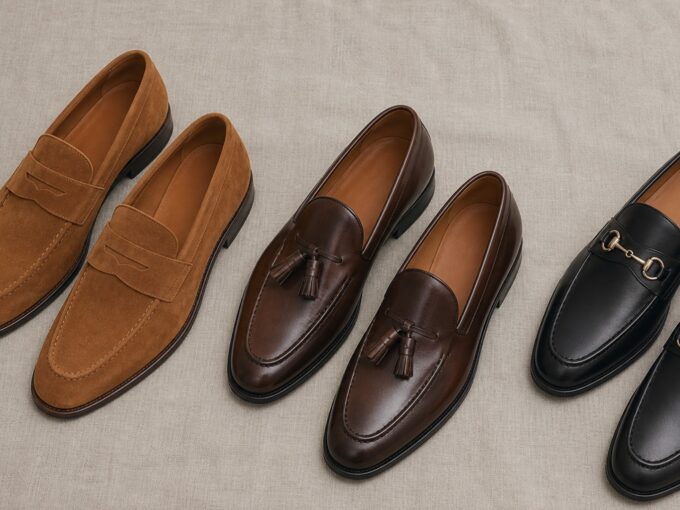
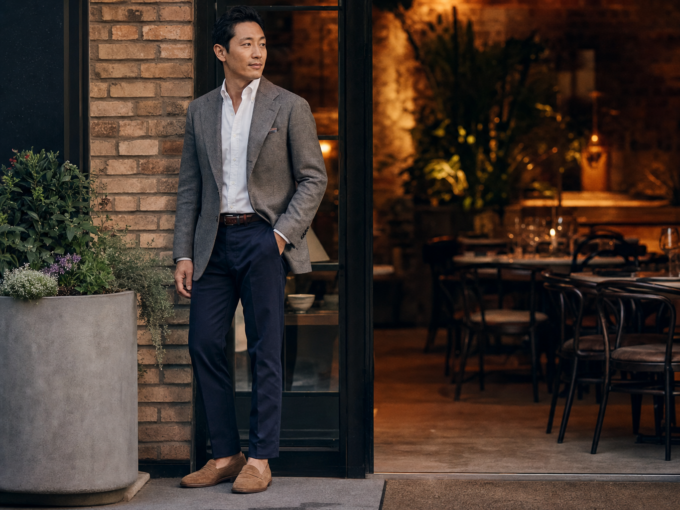
- Casual fabrics such as denim, or casual footwear such as sneakers, loafers without socks, or sandals.
- A wrinkled or untucked shirt. Funerals are one of the few occasions where a pressed shirt genuinely matters to how the outfit reads.
- Sunglasses indoors, or a hat worn inside a place of worship or a funeral home.
- Strong cologne. A room full of people standing close together for an extended service is not the place for it.
If you need a refresher on tying a plain, conservative knot correctly before the service, our how to tie a tie guide covers the basics.
Accessories and Grooming Details
Beyond the suit itself, the smaller details are what people notice at close range during a service where much of the day is spent standing near others. A plain black or dark brown leather belt matched to your shoes, minimal jewelry, and a simple watch are all that is needed. Skip cufflinks with any novelty design and leave statement pieces at home entirely.
Grooming should lean conservative as well. A recent haircut and a trimmed beard, if you wear one, read as care taken rather than vanity. If you carry a handkerchief, keep it plain and out of the breast pocket in a decorative fold; a folded pocket square is for celebrations, not this occasion.
Cultural and Religious Considerations
The dark-suit standard holds across most Western funeral traditions, but customs vary by faith and culture, and it is worth checking ahead rather than assuming. Some traditions ask guests to avoid black entirely in favor of white or another color tied to mourning in that culture. Others have specific expectations around head coverings, footwear removed at the door, or modest dress beyond what a typical suit provides.
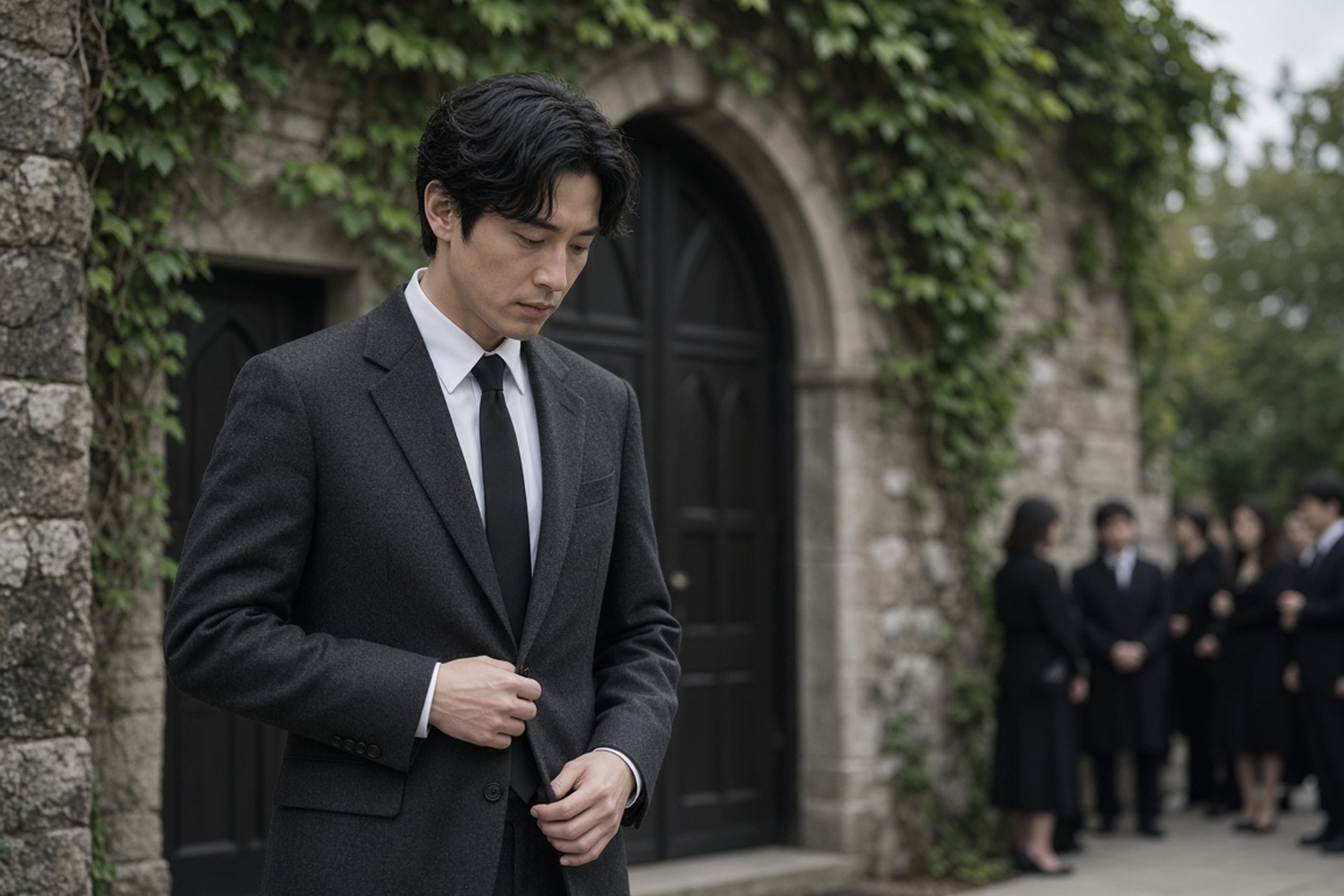
When you are unsure, the family or a close friend attending the service is the best source, and asking shows more respect than guessing. Absent any specific guidance, the dark, conservative suit remains the safe default for a traditional American service.
Weather Variations
Funerals happen regardless of season, and the suit should adjust to the weather without abandoning the standard. In summer heat, a lighter-weight wool or wool-blend suit in charcoal or navy keeps you presentable without overheating during a graveside service. Avoid linen for this occasion specifically; its casual, textured look works against the formality the setting calls for.
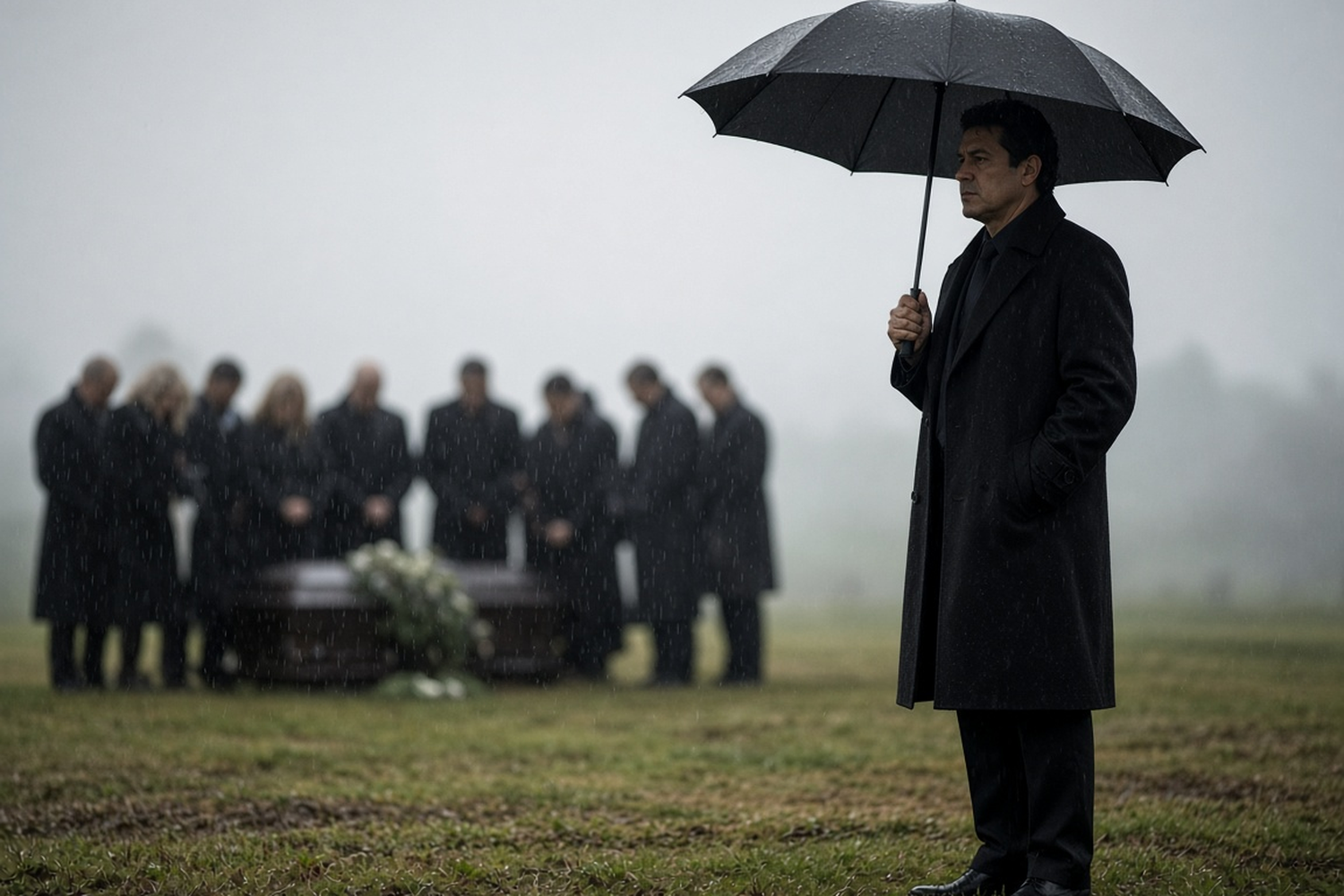
In cold or wet weather, a black or charcoal wool overcoat over the suit is both practical and appropriate, and it photographs correctly in the kind of somber, outdoor moments that often follow a service. Keep the coat plain, with no bold lining or statement buttons visible. A black umbrella is a better choice than a patterned one if rain is expected at a graveside portion. Fit still matters in cold weather: an overcoat that is too tight over the suit underneath will look bulky rather than intentional, so see our notes on how a suit should fit for the same principles applied here.

There is very little room for personal style at a funeral, and that is by design. A dark, well-fitted suit, a plain tie, and a pressed shirt let you show up for the people who need you there without your clothing becoming part of the day. When in doubt, dress a step more conservative than you think the occasion requires.