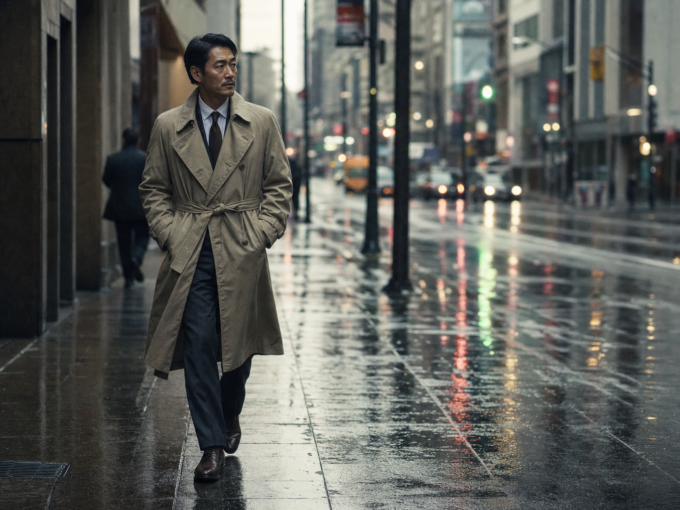
An overcoat is the final layer — the piece people see first and remember last. A good overcoat works over a suit in the boardroom on Monday and over a blazer at a restaurant on Saturday. A bad one undermines everything underneath it. Here is how to choose the right one and wear it correctly.
What Is an Overcoat?
An overcoat is a full-length or near-full-length coat worn over a suit, blazer, or other formal and semi-formal layers. It typically reaches the knee or mid-calf, is made from heavy wool or a wool blend, and is designed for cold-weather wear. The overcoat is distinct from a topcoat (lighter weight, often mid-thigh length), a trench coat (belted, rain-focused, cotton construction), and a peacoat (shorter, naval silhouette, casual).
Both single-breasted and double-breasted overcoat styles exist. Single-breasted is more versatile and easier to wear in a range of contexts. Double-breasted is bolder and more formal.
Types of Men’s Overcoats
Chesterfield
The most formal overcoat style. The Chesterfield is characterized by a velvet collar, a slim silhouette, and typically a single-breasted, concealed button front. It is primarily worn over suits in formal and business formal settings and is the correct outerwear choice for black tie and formal events. The Chesterfield is a statement coat; it requires a confident hand and a well-fitting suit underneath.
Camel Overcoat
The most versatile overcoat available. A single-breasted camel wool overcoat works over suits, over blazers and trousers, and in smart casual layering contexts. The warm camel tone pairs with navy, charcoal, grey, and most casual outfit palettes. It is the overcoat worth buying if you own one.
Double-Breasted Overcoat
More structured and assertive than single-breasted styles. The double-breasted overcoat reads as formal and intentional. It works best in charcoal, navy, or camel over business formal and formal social outfits. The double front adds visual weight — make sure the rest of the outfit can support it.
Topcoat
Lighter weight than a full overcoat, typically in a lighter wool or wool blend, and often cut at mid-thigh rather than at the knee. The topcoat sits between a suit jacket and a full overcoat in warmth and weight. It is appropriate for transitional weather (fall and early spring) and for less cold winter days when a full overcoat is too heavy.
How to Choose an Overcoat
Length: Knee-length is the most formal and works best over suits. Mid-thigh can look short over a suit if the suit jacket extends below the coat hem. For a coat that will primarily be worn over suits, aim for knee length.
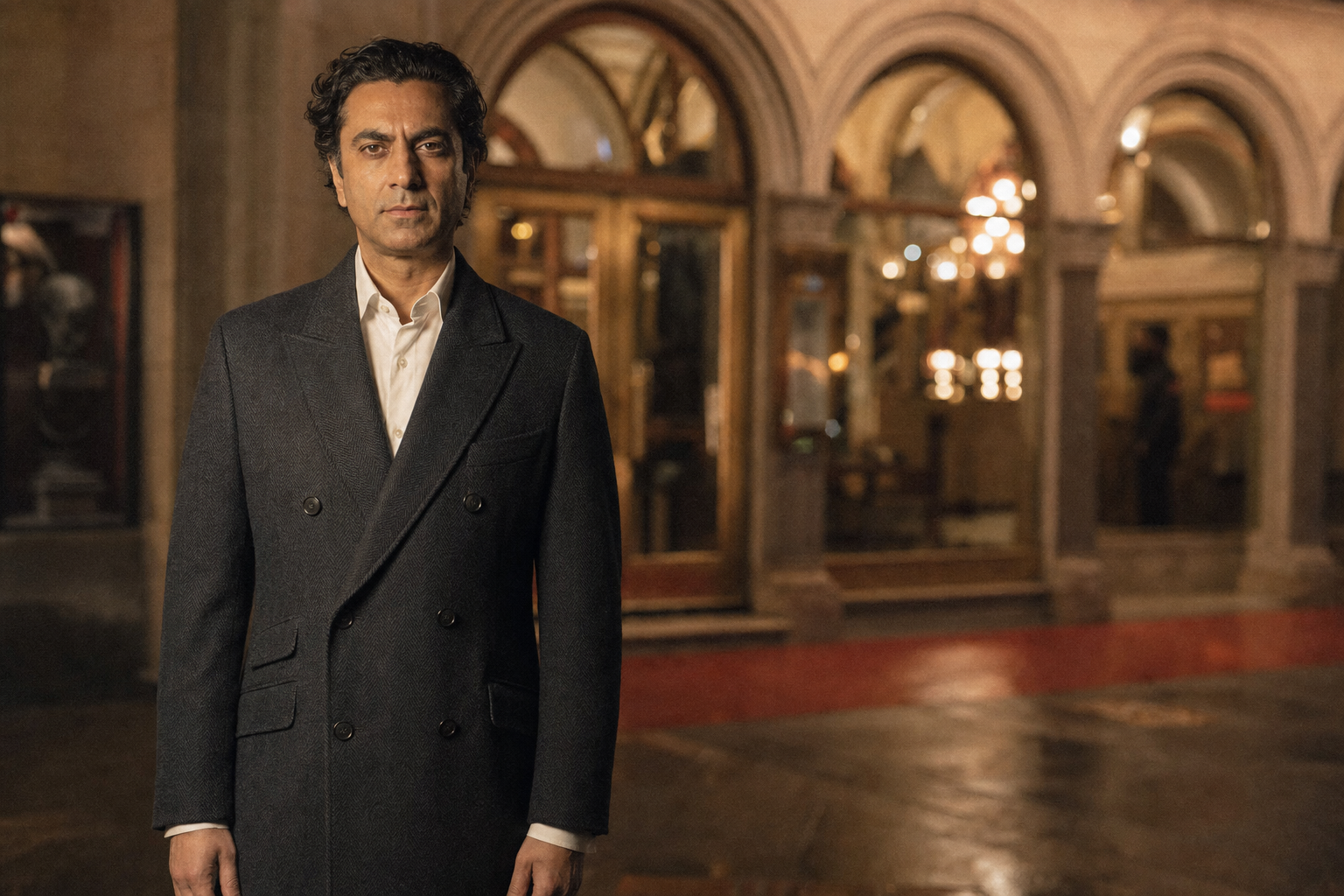
Fit: The overcoat should fit over a fully suited jacket without pulling across the shoulders. Stand in a suit jacket and put on the overcoat: if there is any pulling at the shoulders or restriction across the upper back, the coat is too small. Sleeves should allow the suit jacket cuff (or shirt cuff if no jacket) to show by about half an inch.
Color: Camel is the most versatile overcoat color — it pairs with almost every suit color and casual outfit palette. Charcoal and dark grey work with most suits and read as formal. Navy is less common in overcoats but works well and is particularly strong over navy or charcoal suits. Black is the most formal overcoat color and is best reserved for formal evening occasions.

How to Wear an Overcoat with a Suit
The suit jacket underneath should be fully buttoned. The overcoat can be worn open or closed depending on the weather and the silhouette you want. When closed, button the overcoat from bottom to top and adjust the lapels so they lie flat.
Pocket squares are visible if the overcoat lapels fall away from the suit jacket. If they do not, the pocket square disappears under the coat — this is fine, but keep it in mind if the pocket square is a deliberate part of the outfit.
The trouser break and belt buckle should be covered by a knee-length overcoat when standing. This is one of the main reasons knee length is the correct choice for wearing over a suit: coverage and proportion. A coat that falls short of the knee looks like it was bought for a shorter person.
How to Wear an Overcoat Casually
An overcoat over a blazer, heavy sweater, or well-fitted knit reads as smart casual in cold weather. A camel overcoat over dark jeans and a navy roll-neck sweater with leather shoes or boots is a clean, considered cold-weather casual outfit. The overcoat’s quality and length signal effort even when everything underneath is casual.

Fit still matters in casual contexts. A sloppy overcoat — one that is too large in the shoulders or too long in the body — looks unkempt regardless of what is underneath it. The casual overcoat should fit as well as the formal one.
Overcoat Colors
Camel or tan: The most versatile overcoat color. Pairs with navy, grey, charcoal, and brown underneath. Works in business and casual contexts. The right first overcoat for most wardrobes.
Charcoal grey: More formal than camel. Pairs with most suits and reads as professional and serious. Strong in conservative business contexts and formal social occasions.
Navy: Less common in overcoats but excellent. Works over navy, charcoal, and grey suits without color conflict. A navy overcoat adds depth and is not seen as often as camel or charcoal — a considered choice.
Black: The most formal overcoat color. Best for formal evening occasions and events where the rest of the outfit is equally formal. Avoid black overcoats in casual and business casual contexts, where they will overwhelm lighter outfits.
For how an overcoat compares to other coat styles, see the trench coat vs peacoat comparison.
Frequently Asked Questions
What is the difference between an overcoat and a topcoat?
An overcoat is a full-length, heavy-weight coat designed for cold weather, typically reaching the knee or mid-calf. A topcoat is lighter weight and often shorter, falling at mid-thigh, and is designed for transitional weather or as a dressier alternative to a full overcoat. A topcoat provides less warmth but is more versatile across seasons. In practice, many retailers use the terms interchangeably, but the distinction is useful when choosing between them for specific weather conditions.
Should an overcoat be longer than a suit jacket?
Yes. A properly cut overcoat should extend well below the hem of the suit jacket, typically reaching the knee. An overcoat that falls at the same length as the suit jacket, or shorter, looks poorly proportioned and creates a visual break where the suit jacket hem is visible below the coat. When buying an overcoat to wear over suits, knee length is the target.
What color overcoat is most versatile?
Camel is the most versatile overcoat color. It pairs with navy, charcoal, grey, and brown suits without any color conflict and works in casual layering contexts as well. If you are buying one overcoat, camel covers the most ground. If you already own a camel overcoat, charcoal grey is the logical second purchase for business formal contexts where camel may be too casual.