Most men own one good suit and treat it like a costume that only comes out for weddings and interviews. That is a waste of a suit. A well-fitted suit in navy or charcoal is one of the most flexible pieces of clothing you can own, and small changes to what you wear underneath it, and whether you wear all of it at once, turn it into eight or more different outfits. Here is how to get the range out of the suit you already have.
Start With a Suit That Actually Fits
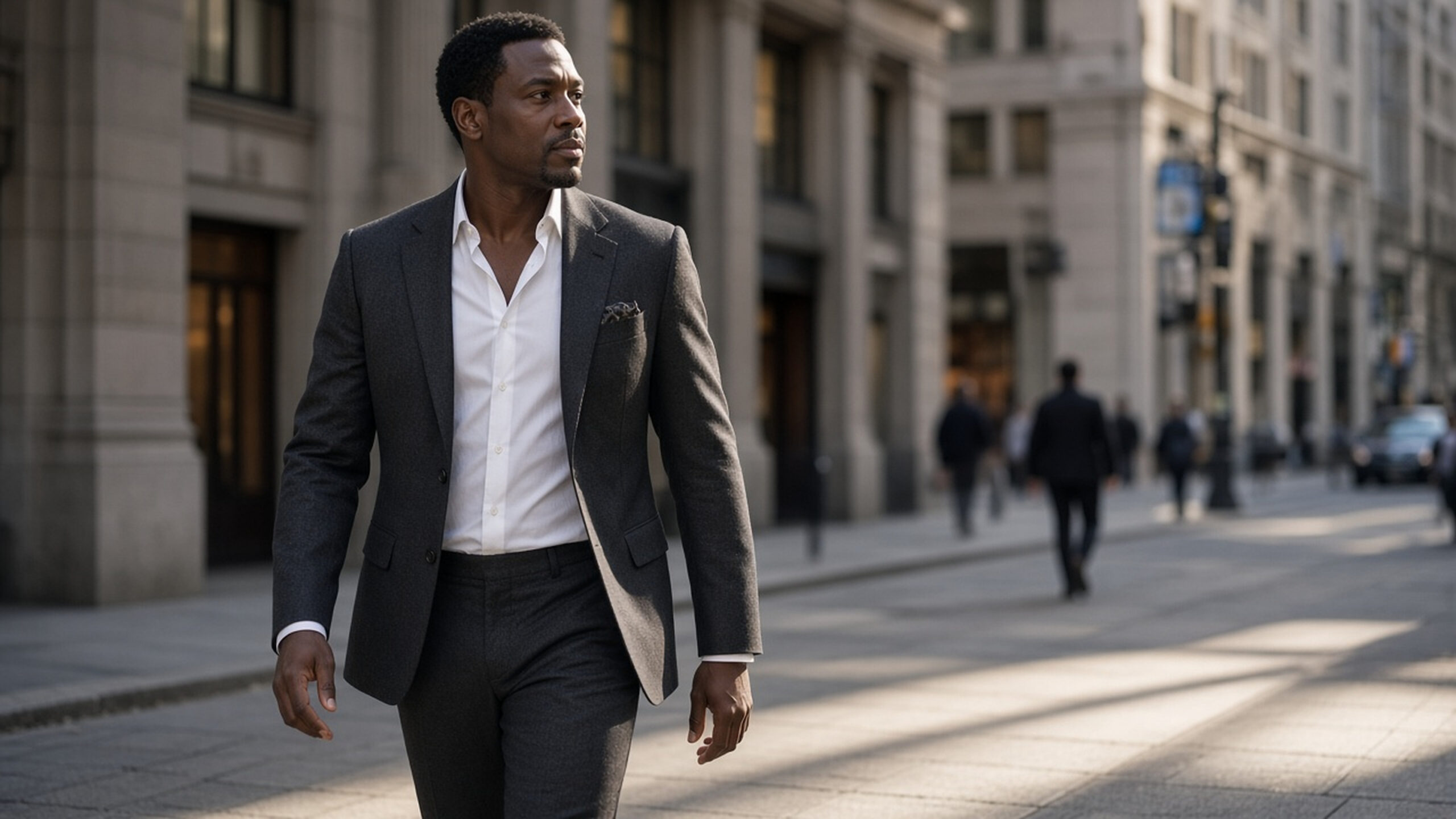
Every version of this outfit depends on the same starting point: a jacket that sits clean across the shoulders with no pulling at the button, and trousers with little to no break at the shoe. A suit that fits will look right buttoned up for a client meeting and just as right with the tie off. A suit that does not fit will look wrong no matter how you style it, so this is the one step worth getting right before anything else.
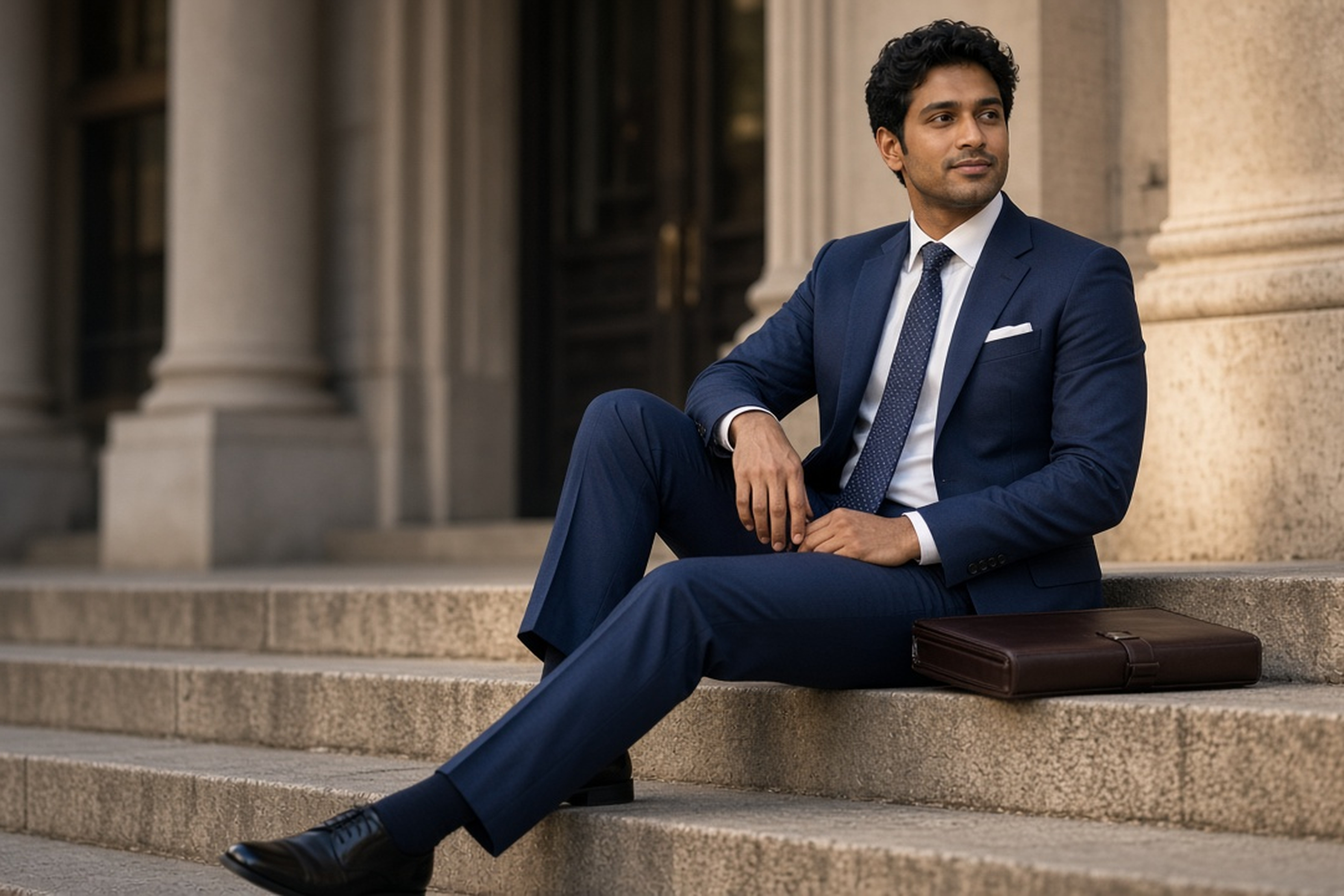
Dressed Up: The Full Suit
The full suit, worn as intended with a dress shirt and tie, is still the most reliable outfit for interviews, client-facing days, and formal dinners. A white or pale-blue shirt and a conservative tie keep the look sharp without adding anything memorable, which is the point when the suit needs to disappear into the background of the occasion. Add a pocket square if the setting calls for a finishing detail.

Dressed Down: Lose the Tie, Open the Collar
Drop the tie and open the top button, and the same suit reads as smart casual instead of formal. This is the move for a first date, a dinner out, or an office that has relaxed its dress code without abandoning it. Keep the shirt collar structured enough to hold its shape without a tie behind it, and the jacket does the rest of the work.
Swap the dress shirt for a knit
A fine-gauge crewneck sweater or a merino polo under the jacket trades the shirt-and-tie formality for something closer to business casual. This works especially well once the weather turns, when a knit layer under the jacket adds warmth without adding bulk.

Split Into Separates
The most underused move with a suit is treating the jacket and trousers as two different pieces. Worn apart, in outfits that never put them back together, a single suit quietly becomes four or five more looks.
Jacket as a sport coat
A solid navy or charcoal suit jacket worn over jeans or chinos with a knit or open-collar shirt reads as a sport coat, not a half-abandoned suit, as long as the fabric and cut are clean enough to stand alone. This is the outfit for a dinner reservation, a gallery opening, or any evening where a full suit would be too much and a plain jacket would be too little.
Trousers on their own
Suit trousers paired with a casual button-down or a merino crewneck and clean leather shoes work for the office days that do not call for the jacket at all. A well-cut pair of dress pants in a versatile grey or navy earns its keep this way long after the jacket has been retired to formal duty only.

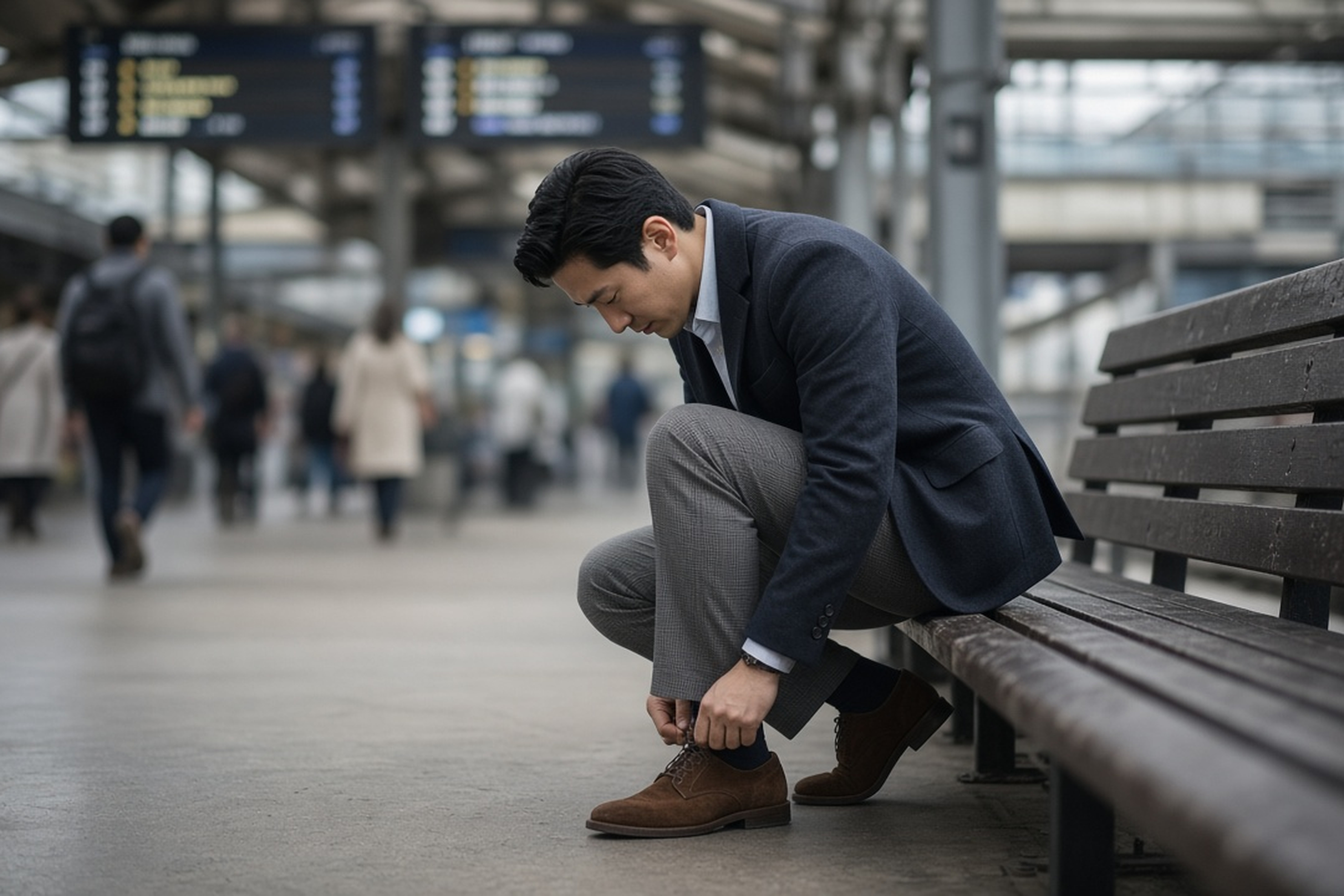
Change the Shoes, Change the Register
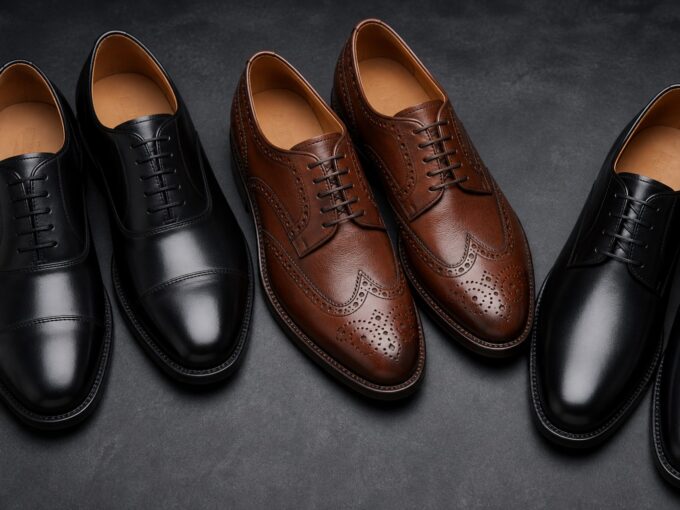
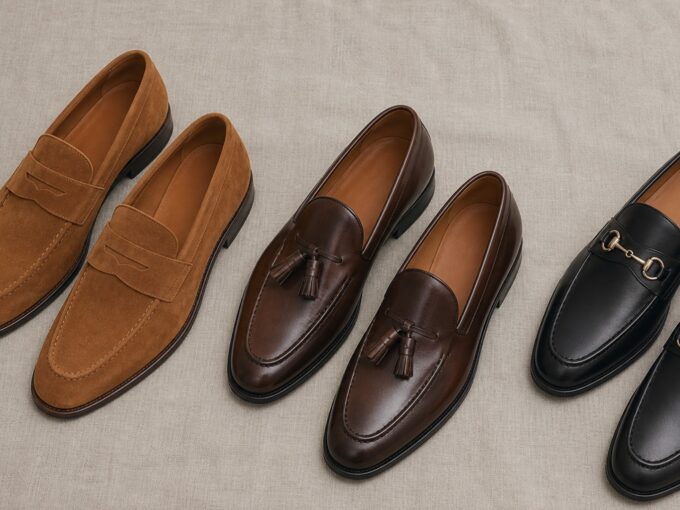
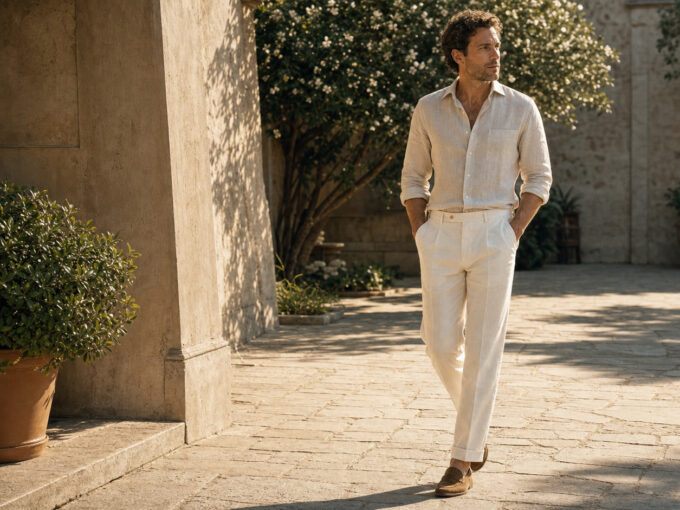
Shoes shift a suit’s formality faster than almost anything else. Black cap-toes keep the outfit formal no matter what else you do. Dark brown leather softens it slightly and works for most business and evening settings. Suede loafers push the whole outfit toward smart casual and pair naturally with the tieless, jacket-as-sport-coat looks above. Keep the shoes clean and the polish current; scuffed leather undercuts every other choice you made.
One Suit, Worth the Range
A suit that only comes out once a year has not earned its price. The same jacket and trousers, worn together, apart, dressed up, and dressed down, cover interviews, date nights, casual Fridays, and formal dinners without a second suit in the closet. Get the fit right once, then let the rest of your wardrobe do the adjusting around it.