A tuxedo is one of the most recognizable garments in men’s formal wear — and also one of the most misunderstood. Most men only need one a handful of times, and every time there is a moment of uncertainty: the right lapel, the right shirt, the right accessories. This guide covers all of it — what makes a tuxedo a tuxedo, the styles available, the accessories that complete the look, and when to wear one versus a suit.
What Makes a Tuxedo a Tuxedo?
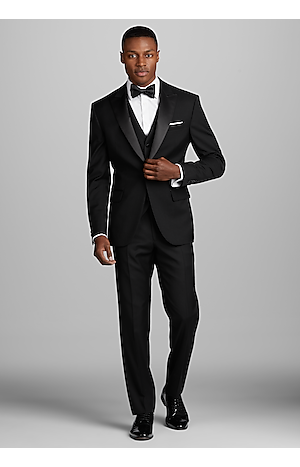
The defining feature of a tuxedo is satin trim. A tuxedo jacket has satin-faced lapels — shawl or peak — and satin-covered buttons. Tuxedo trousers have a single satin stripe running down the outer seam of each leg. That trim is what separates a tuxedo from a suit at a glance, and it dictates everything else about how the garment is worn.
Beyond the trim, tuxedos are typically made from finer wool or wool-blend fabrics with a slight sheen. The construction is more formal and the silhouette is cleaner than a standard business suit. Where a suit is versatile across dress codes, a tuxedo is purpose-built for formal occasions.
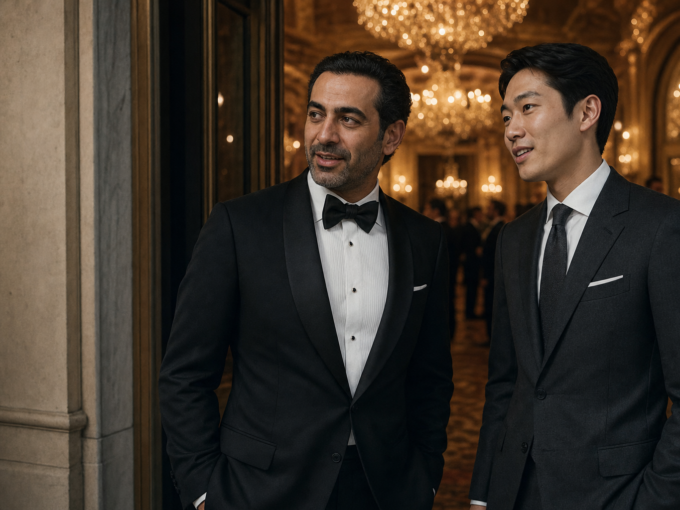
For a direct comparison of when each is appropriate, see our full breakdown of tuxedo vs. suit differences.
Tuxedo Jacket Styles
Tuxedo jackets come in two primary cuts and two primary lapel shapes. Understanding both helps you make the right choice for your event and body type.
Single-Breasted Tuxedo
The single-breasted tuxedo is the standard — one row of buttons, a clean front, and the most versatile silhouette. It works across every formal dress code and is the right choice if this is your first tuxedo or if you want something you can wear repeatedly across different events.
Double-Breasted Tuxedo
The double-breasted tuxedo is more formal and more visually assertive. Two rows of buttons and overlapping front panels create a commanding silhouette. It suits taller frames well and reads as the more deliberate, fashion-conscious choice. If you want a tuxedo that stands out in a room, double-breasted is the direction.
Shawl Lapel vs. Peak Lapel
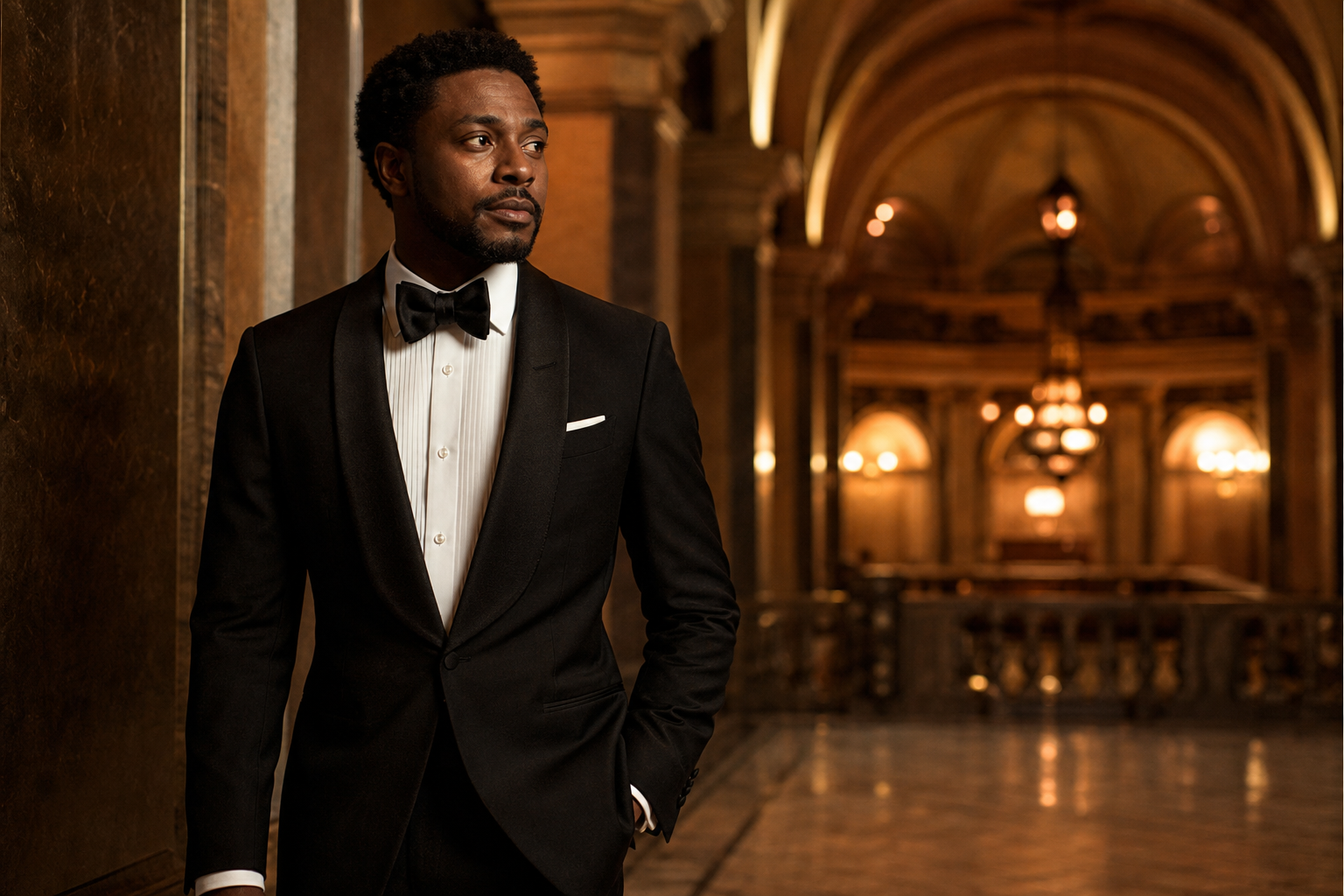
Lapel shape is the most visible decision you make when choosing a tuxedo. Shawl lapels — the continuous curved lapel with no notch — are the classic formal choice. They originate from 19th-century smoking jackets and have been the standard for black tie for over a century. Peak lapels, with their upward-pointing tips, are bolder and more contemporary. Both are appropriate for black tie; shawl is the safer traditional choice, peak is the stronger statement.
Notch lapels — the standard on business suits — are technically incorrect on a tuxedo worn to black tie events. If your jacket has notch lapels, it is a suit, not a tuxedo.
Tuxedo Shirt, Bow Tie, and Accessories
The tuxedo itself is only part of the look. The accessories and shirt complete it — and getting them wrong undermines the entire outfit.
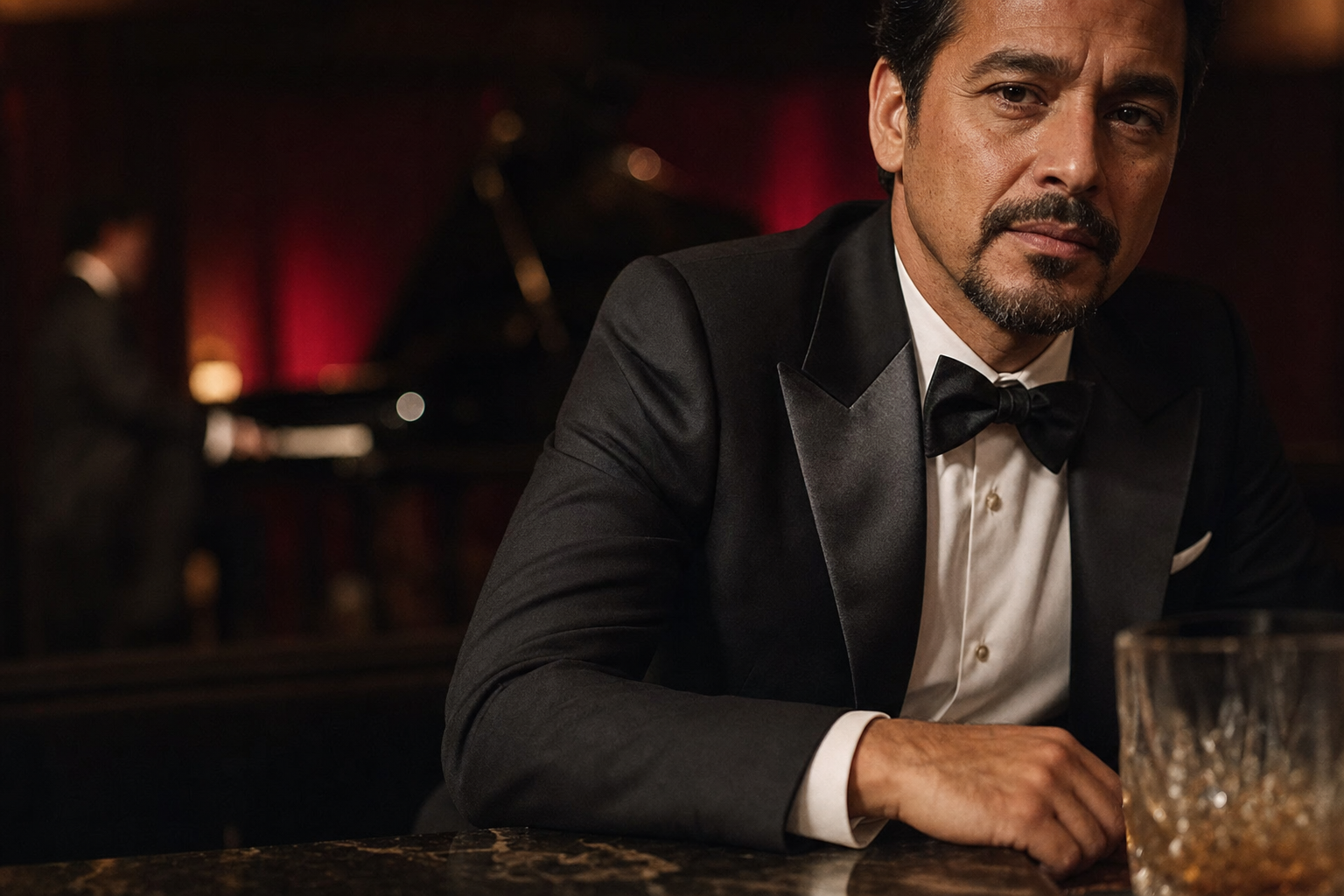
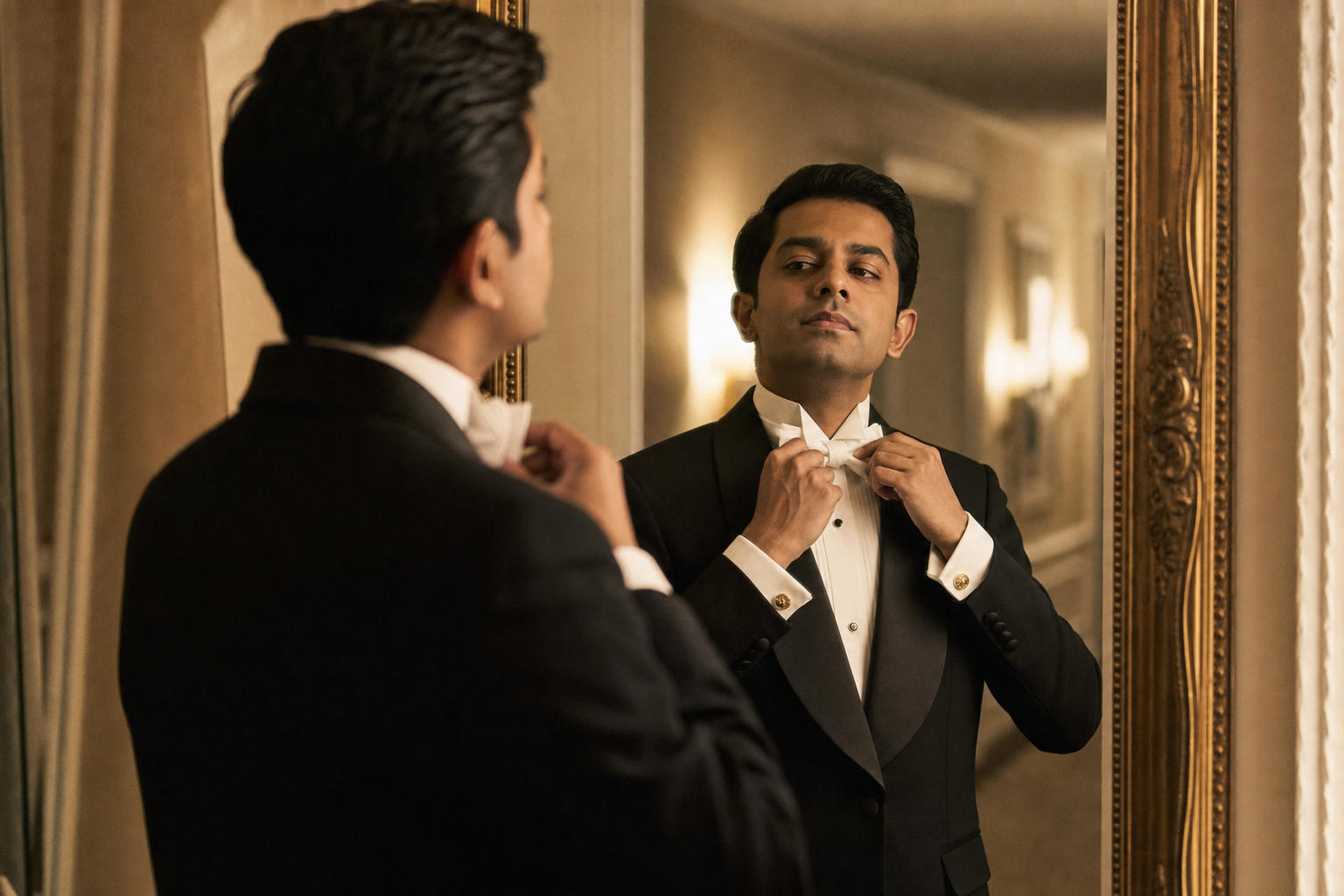
Tuxedo shirt. A tuxedo shirt has a bib front — either a pleated bib or a plain marcella front. Wing collars are more formal and traditional; spread collars are more contemporary and easier to wear. The shirt should be white. A standard dress shirt with a point collar is not a tuxedo shirt and does not belong under a tuxedo jacket at a formal event.
Bow tie. Always wear a bow tie with a tuxedo. A necktie with a tuxedo reads as unfinished at best and incorrect at worst. Self-tie bow ties are preferred over pre-tied — they look more natural and signal that you dressed yourself. Pre-tied is a perfectly acceptable backup if you have not practiced.
Pocket square. White linen or white silk, folded flat or in a simple fold. Black tie is not the occasion for a decorative fold or a patterned pocket square. Keep it clean and simple.
Cummerbund or waistcoat. Both cover the trouser waistband where the shirt meets the pants. Cummerbunds are worn with the pleats facing upward. A waistcoat is more formal and provides more coverage — a better choice in colder settings. Either works; choose based on what you find more comfortable and what pairs better with your jacket style.
Studs and cufflinks. Tuxedo shirts have a placket designed for studs rather than buttons. A matching set of shirt studs and cufflinks in black onyx, mother of pearl, or silver finishes the formal look correctly. This is not optional — the shirt is designed for them.
Shoes. Black patent leather oxfords or black cap-toes are the standard for black tie. Black formal loafers are acceptable. Brown shoes are not appropriate with a tuxedo.

When to Wear a Tuxedo
A tuxedo is required or strongly expected at specific dress codes. Wearing one at the wrong event is as much of a misstep as not wearing one when expected.
Black tie. A tuxedo is the standard and expected choice. This is what the dress code means. Black dinner jacket, tuxedo trousers, formal shirt, bow tie.
Black tie optional. A tuxedo is preferred. A dark suit is acceptable — but if you own a tuxedo, wear it. Most guests at black tie optional events who are dressed well are in a tuxedo.
Semiformal or cocktail attire. A suit, not a tuxedo. Wearing a tuxedo to a cocktail party signals that you misread the dress code. A dark suit is the correct choice.
White tie. White tie is more formal than black tie and requires a tailcoat, not a tuxedo. If an invitation says “white tie,” a standard tuxedo is underdressed.
Tuxedo Colors: Black, Midnight Navy, and Beyond
Black is the classic tuxedo color and the correct default for most formal occasions. It is safe, sharp, and appropriate everywhere. Midnight navy — a deep navy that reads as black under artificial light but richer in photographs — is the most popular alternative and a strong choice for weddings or events where you want a slightly less expected look. Ivory or cream jackets are appropriate for warm-weather formal events and summer weddings; they work best when the venue and season match the choice. White dinner jackets are very specific in context — tropical settings and warm-weather formal events only. Avoid them at indoor black tie events in any season.
Buy or Rent a Tuxedo
The case for renting is simple: you have one event coming up, you are uncertain whether you will need a tuxedo again, and you want to minimize cost. Rental is a practical solution in that scenario.
The case for buying is stronger in most others. A tuxedo you own will fit you. A rental will not. Tailoring a purchased tuxedo costs less than most people expect, and a well-fitted tuxedo looks dramatically better than a rental in the same price range. If you are attending a wedding as a guest, planning a black tie event of your own, or expect to need a tuxedo more than once in the next few years, buying is the better investment. Read our full breakdown of when to buy a tuxedo versus renting before you decide.
Frequently Asked Questions
Can you wear a tuxedo to a wedding?
Yes. If the dress code is black tie or black tie optional, a tuxedo is the correct choice. For weddings that specify cocktail attire or semiformal, a dark suit is more appropriate. When in doubt about the dress code, check the invitation or contact the hosts — it is always better to clarify than to overdress or underdress.
Do you have to wear a bow tie with a tuxedo?
At a formal black tie event, yes. A bow tie is the correct neckwear for a tuxedo. A necktie with a tuxedo is incorrect for black tie and reads as an incomplete look. For less formal events where you are wearing a tuxedo by choice rather than by dress code, a necktie is acceptable — but the bow tie is always the cleaner pairing.
What is the difference between a tuxedo and a dinner jacket?
A dinner jacket is the jacket component of a tuxedo — the two terms are often used interchangeably. In British usage, “dinner jacket” refers specifically to the jacket worn with black tie. In American usage, “tuxedo” refers to the full ensemble. A dinner jacket can also refer to a standalone formal jacket worn separately from matching trousers, including styles like velvet dinner jackets or patterned jackets worn as alternatives to the standard black tuxedo jacket.
For more on how to wear the full look once you have your tuxedo, see our guide to how to wear a tuxedo — it covers fit, accessories, and the details that separate a well-dressed tuxedo from a rental-rushed one.