Smart casual is the dress code that confuses most men. It is formal enough to require thought and effort, but relaxed enough that a full suit reads as overdressed. Most men err in one direction or the other — showing up too casual or too formal, neither of which is the point. Here is how to read smart casual correctly and build outfits that land in the right zone every time.
What Does Smart Casual Actually Mean?
Smart casual sits between casual and business casual on the formality scale. It is above casual (jeans and a t-shirt) but below business casual (dress shirt and trousers as the expected minimum). The defining characteristic of smart casual is intentionality: clothes that fit well, look chosen, and read as polished without being professional or formal.
The dress code is also context-dependent. Smart casual at a restaurant dinner where the tables have white cloths is different from smart casual on a Friday at a tech office. In both cases, the same principles apply — clean, well-fitted clothes in good fabrics — but the ceiling on how formal you can go differs by setting.
Smart Casual Outfit Foundations
Trousers
Chinos, dress trousers, and dark clean jeans are all valid in a smart casual context. The key word is “clean”: wrinkled chinos, frayed jeans, and baggy trousers are not smart casual, they are just casual. Whatever trouser you choose should fit properly, be in good condition, and look deliberate.
Top
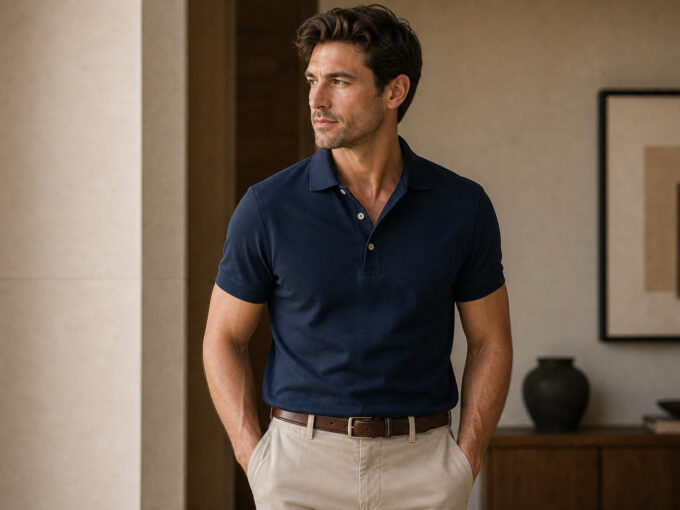
A well-fitted dress shirt (tucked or untucked), an OCBD, or a clean crewneck sweater all work. The shirt or sweater should have a clean collar line and fit without excess fabric in the body. A polo shirt in a technical or cotton fabric works in some smart casual contexts, particularly in warmer weather.
Outerwear
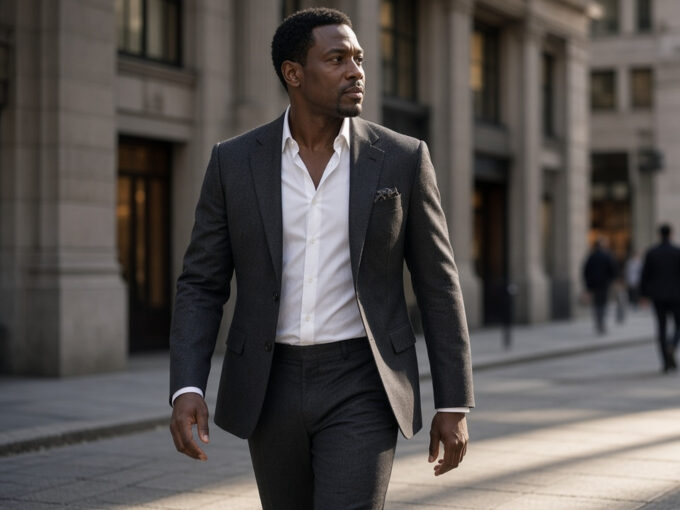
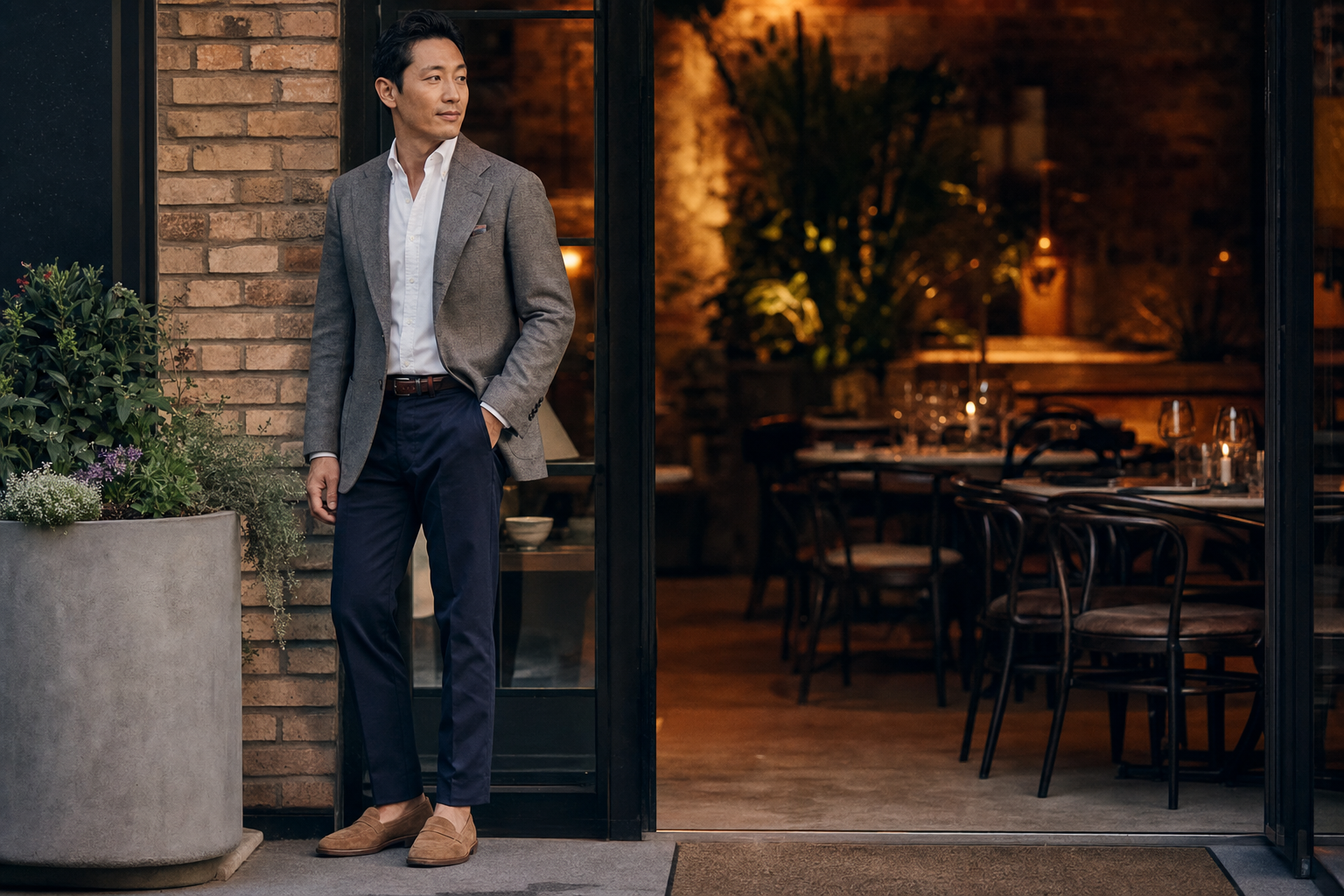
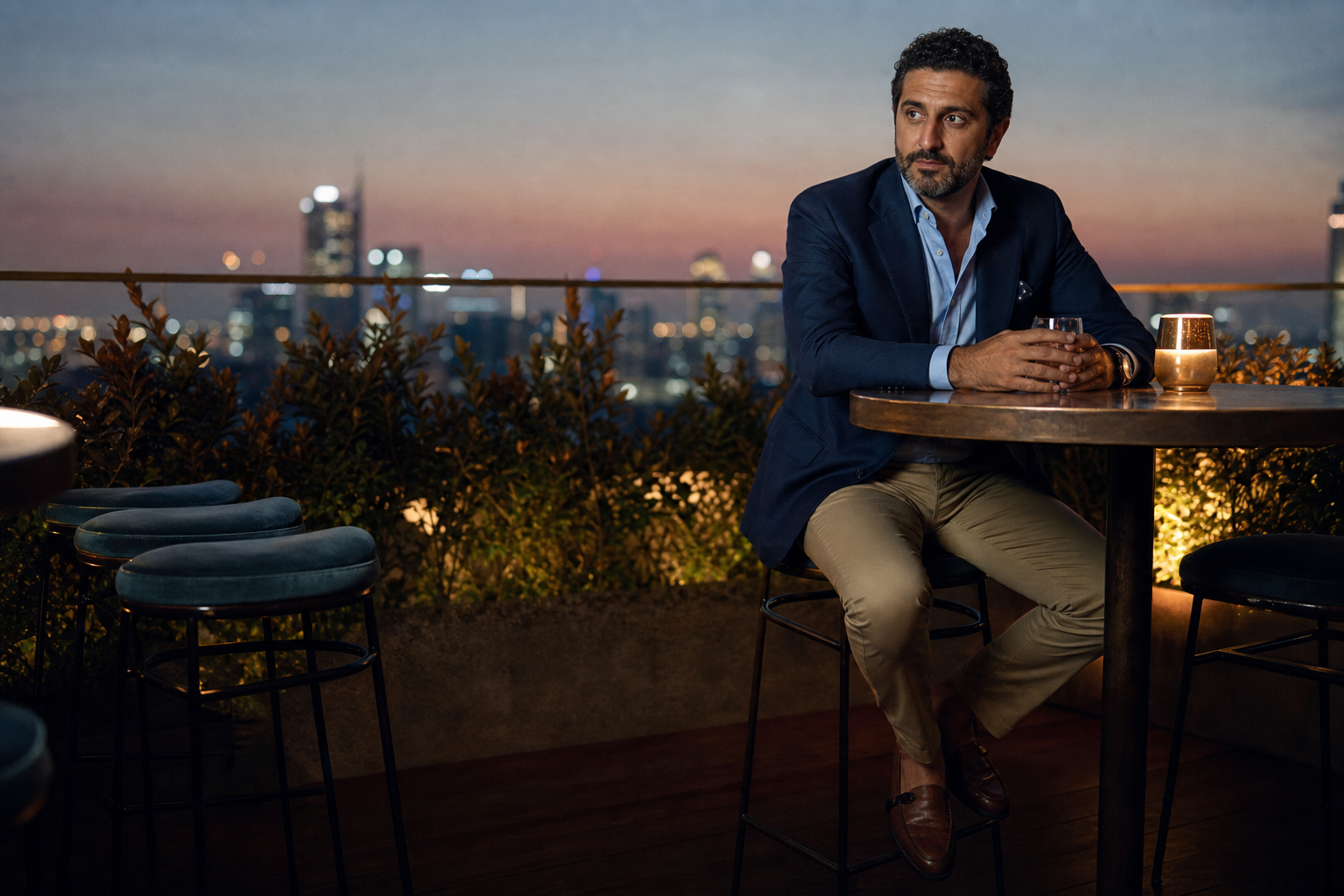
An unstructured blazer or sport coat takes any smart casual outfit up a level. This is the single most reliable upgrade: navy blazer over chinos and a dress shirt, or a grey sport coat over dark jeans and an OCBD. Neither outfit requires a blazer, but both are significantly more polished with one.
Shoes
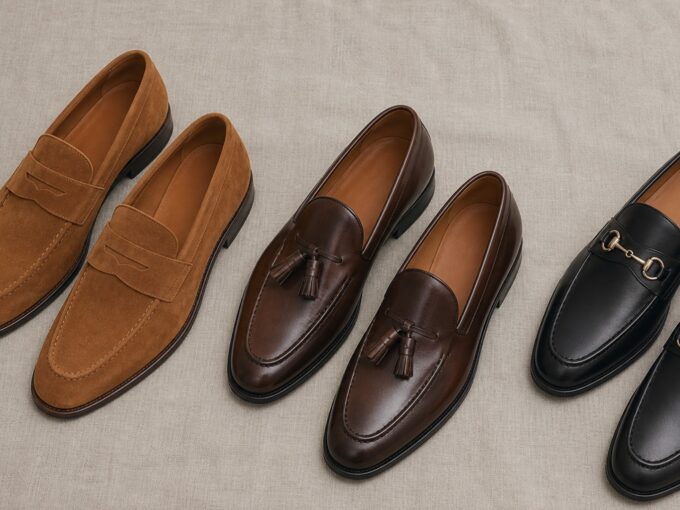
Loafers, clean leather Chelsea boots, and white leather sneakers (very clean, no athletic styling) are all appropriate for smart casual. Athletic shoes, slides, and sandals are not. The shoe should be leather or leather-soled in almost all smart casual contexts.
Smart Casual vs Business Casual vs Cocktail Attire
Smart casual: No tie required. Blazer optional but recommended. Dark jeans may be acceptable depending on context. The goal is polished and relaxed, not professional.
Business casual: No tie required, but dress shirt and trousers are the expected minimum. A blazer or sport coat is appropriate and polishes the look significantly. Jeans are rarely appropriate in business casual settings unless the context explicitly allows them.
Cocktail attire: A suit or blazer with dress trousers is the floor. A tie is optional but appropriate. Jeans are not acceptable. This is a more formal social dress code that requires deliberate effort.

Smart Casual Outfit Examples
Option 1: Clean and Simple
Navy chinos, white OCBD (untucked), tan leather loafers. No blazer required. This reads as smart casual at any event with that dress code, from a restaurant dinner to a casual office Friday.
Option 2: Blazer as the Anchor
Dark jeans (dark wash, no distressing), grey unstructured blazer, white dress shirt (open collar), Chelsea boots. The blazer elevates the dark jeans into smart casual territory. The open collar keeps it from reading as business casual.
Option 3: Cold Weather Smart Casual
Charcoal dress trousers, crewneck sweater in navy or grey, leather dress shoes or loafers. This outfit works for winter smart casual events and business casual offices in colder months. No blazer required, but one can be added.
Option 4: Business Casual Crossover
Khaki chinos, light blue dress shirt (tucked), navy blazer, loafers. This sits at the top of smart casual and the bottom of business casual. It works for most professional business casual environments as well as smart casual social events.
What to Avoid in Smart Casual
Athletic wear: Hoodies, joggers, athletic shorts, and track jackets are never smart casual. Even “premium” athletic wear does not cross the smart casual threshold. The fabric and silhouette signals casual regardless of the price tag.

Graphic tees: A plain crewneck or v-neck t-shirt may work under a blazer in very casual smart casual contexts. A graphic tee does not. The print introduces a casual note that a blazer cannot override.
Full suits: A suit at a smart casual event overdresses you and misreads the occasion. If the dress code is smart casual, the invitation to wear a suit will come in the form of “cocktail attire” or “business formal.” Smart casual means you do not need the suit.
Distressed or ripped denim: Dark wash clean jeans may be acceptable in some smart casual contexts. Distressed, ripped, or heavily faded jeans are not. They signal casual explicitly and no blazer can change that signal.
Overly casual shoes: White leather sneakers in clean condition can work. Athletic sneakers, canvas sneakers, slides, and flip-flops are not smart casual. The shoe is the easiest way to signal effort — a leather shoe or leather-soled shoe always reads appropriately.
For guidance on how the business casual dress code compares, see the business casual guide. For help styling a blazer as the anchor piece, see the guide on wearing a blazer casually.
Frequently Asked Questions
Are jeans smart casual?
Dark wash, clean, well-fitted jeans are acceptable in many smart casual contexts. The key qualifiers are dark (no light wash), clean (no distressing, no fraying), and fitted (no baggy or oversized cut). Even then, jeans are on the more casual end of the smart casual range, and combining them with a blazer or sport coat is the most reliable way to bring the outfit into the right zone.
Do you need a blazer for smart casual?
No, but a blazer makes nearly every smart casual outfit more reliable. Without a blazer, the outfit depends on the quality and fit of the trousers and shirt to read as smart casual. With a blazer, the formality level is anchored and the outfit is harder to read as underdressed. For a first smart casual outfit, adding a navy blazer to whatever you already own is the easiest path to the right result.
Is a polo shirt smart casual?
A clean polo in a quality cotton or technical fabric can be smart casual in warmer weather and more relaxed settings. A pique cotton polo with chinos and loafers reads as smart casual for outdoor events, golf clubs, and casual restaurants. For more formal smart casual settings, a dress shirt or OCBD is more reliable.