The vest is either the piece that makes the outfit or the piece that overcomplicates it — it depends entirely on how you wear it. A 3-piece suit for men adds one layer of formality and one layer of decision-making to the standard suit. Done correctly, it signals a level of care and intentionality that a 2-piece suit simply cannot match. This guide covers what it is, when to wear it, and the specific rules that keep it looking right.
What Is a 3-Piece Suit?
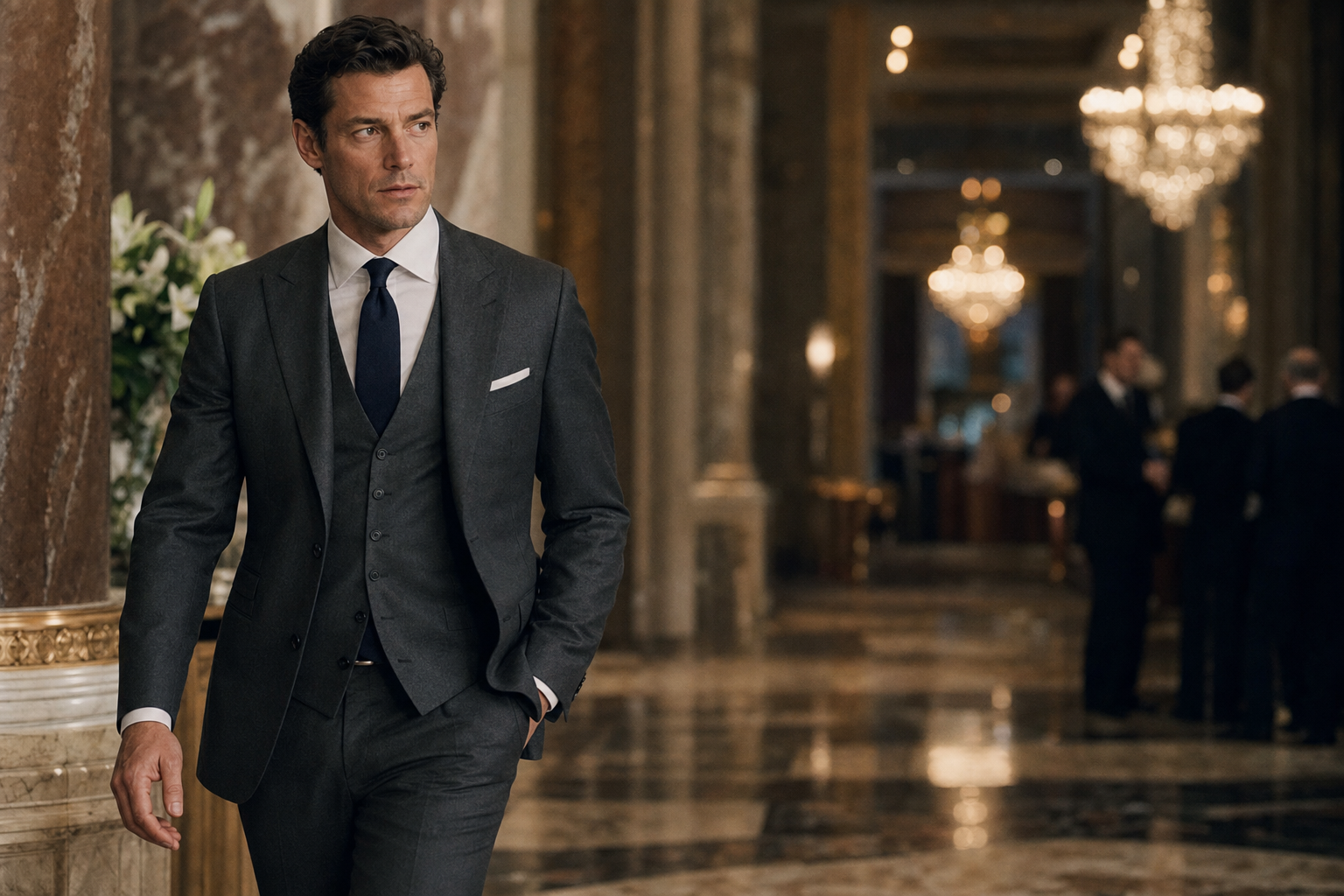
A 3-piece suit is a jacket, trousers, and a matching waistcoat (vest), all cut from the same cloth and designed to be worn together. The shared fabric is what makes it a true 3-piece — if the vest does not match the jacket and trousers exactly, it is not a 3-piece suit, it is a vest added to a 2-piece. That distinction matters: mixing a vest from one suit with another creates a visual mismatch at the fabric level that is obvious to anyone who looks closely.
In terms of formality, a 3-piece suit sits above a standard 2-piece suit and below white tie. It is appropriate for formal events, business formal environments, and ceremonies where the dress code calls for more than a standard suit. The vest adds visual structure to the torso and keeps the outfit intact even when the jacket comes off — which is one of its practical advantages over a 2-piece.
When Should You Wear a 3-Piece Suit?
Weddings
The 3-piece suit is an excellent choice for grooms, best men, and groomsmen in formal ceremonies. For wedding guests, it is appropriate and slightly more formal than the standard suit — a considered choice that reads like an occasion outfit rather than an everyday one. See the full groomsmen attire guide for how the 3-piece fits into wedding party dressing specifically.
Black-Tie Adjacent Events
Cocktail attire, festive formal, and “creative black tie” events are contexts where a 3-piece suit — particularly in a dark solid like charcoal or midnight navy — reads appropriately formal without requiring a tuxedo. The vest reads dressed-up without crossing into black-tie territory.
Business Formal
Boardroom presentations, senior-level client meetings, and high-stakes professional environments where you want the suit to communicate seriousness. A charcoal or navy 3-piece in a business formal environment reads authoritative; it signals that you understand the weight of the occasion.
Funerals and Formal Occasions
A charcoal or dark navy 3-piece reads appropriately solemn and respectful for funerals and formal commemorative occasions. The added formality of the vest signals deference to the occasion without being ostentatious.
When NOT to wear a 3-piece suit: casual weddings (especially outdoor summer events), business casual offices, and informal social occasions. The 3-piece suit commits to formality — deploying it in a casual setting reads as overdressed rather than polished.

3-Piece Suit vs. 2-Piece Suit
The 3-piece suit is more formal than the 2-piece — the vest signals intentionality and adds visual weight to the outfit. The 2-piece is more versatile for day-to-day use: it moves more easily from office to dinner without demanding a specific occasion. When choosing between the two, ask whether the event or setting calls for the extra statement. If the answer is no, the 2-piece is usually the right call. If the answer is yes — a formal wedding, a high-stakes presentation, a black-tie adjacent evening — the 3-piece earns its place. One practical note: in a 3-piece outfit, the vest can replace the need for a tie in some smart-formal contexts, giving the jacket-off look a finished quality that a 2-piece shirt alone cannot match. For more on navigating the suit purchase decision, expert advice on buying a suit covers the key considerations.

How to Wear a 3-Piece Suit
The Rules of the Vest
The bottom button of the vest stays undone — the same rule as the jacket button. This is not optional: a fully buttoned vest creates a stiff silhouette and reads as though you are unfamiliar with how the garment is worn. The vest should cover the trouser waistband completely; if it rides up and shows the waistband of the trousers, the vest does not fit correctly. A vest that fits well creates a continuous, unbroken line from collar to trouser top.
Shirt and Tie Combinations
A dress shirt is required — the vest does not work over a casual or knit shirt. A tie is traditional and works well for weddings and formal occasions; for a more contemporary look, a white spread-collar dress shirt without a tie, with the vest buttoned correctly, is a legitimate formal interpretation. Avoid a tie that competes visually with the vest — a solid or subtle-pattern tie in a complementary color is the right call.
The Jacket-Off Look
Removing the jacket in a 3-piece suit is a deliberate style choice, not a casual concession. When the jacket comes off, the vest takes over as the outer layer — it should look intentional. A well-fitted vest with a dress shirt, correctly buttoned, reads polished rather than underdressed. This works in wedding reception settings, business dinners, and formal events where the jacket comes off for dancing or comfort.
Color and Pattern Matching
All three pieces must match — jacket, trousers, and vest cut from the same cloth. Avoid mixing textures or patterns across pieces unless you are deliberately constructing a vest-as-separate look, which operates under different rules than a traditional 3-piece. Read about when to buy suit separates for context on when mixing makes sense versus when matching is essential.
3-Piece Suit Colors and What They Signal
The color of a 3-piece suit carries more weight than a standard 2-piece because the added formality amplifies the signal.

- Charcoal grey: The most formal, authoritative read. Appropriate for business formal, funerals, and high-ceremony weddings. A charcoal 3-piece with a white dress shirt and dark tie is close to universal in formal settings.
- Navy: The most versatile 3-piece color. Works across business formal, formal weddings, and cocktail events. A navy 3-piece reads rich without being severe.
- Medium grey: Business formal to dressy occasions. Slightly less severe than charcoal — appropriate for weddings and office settings where charcoal reads too somber.
- Black: Appropriate for evening formal events and occasions that call for maximum formality. Can read too severe for daytime weddings or business formal contexts — use with intention.
For patterns, windowpane and subtle stripe both work in a 3-piece context, but a first 3-piece suit should be a solid. The solid communicates formality most clearly; patterns add a layer of interpretation that is easier to get right once you have the base covered. Get how a suit should fit right first — an impeccably fitted 3-piece in solid charcoal covers more occasions correctly than a pattern suit that fits imperfectly. If you are interested in other formal suit options, the double-breasted suit guide covers the second major formal suit choice worth understanding.
The 3-piece suit is a commitment — to the occasion, to the detail, and to wearing all three pieces correctly. Get the fit right on the vest above all else, keep the bottom button undone, and it is impossible to overdress for the events that deserve this level of care.